Technical article
Forgot to Declare: How an Owner Can Lose Cash That Was Lawful
The ruling is a landmark limit on cash forfeiture when the money is lawful and only the report is missing.
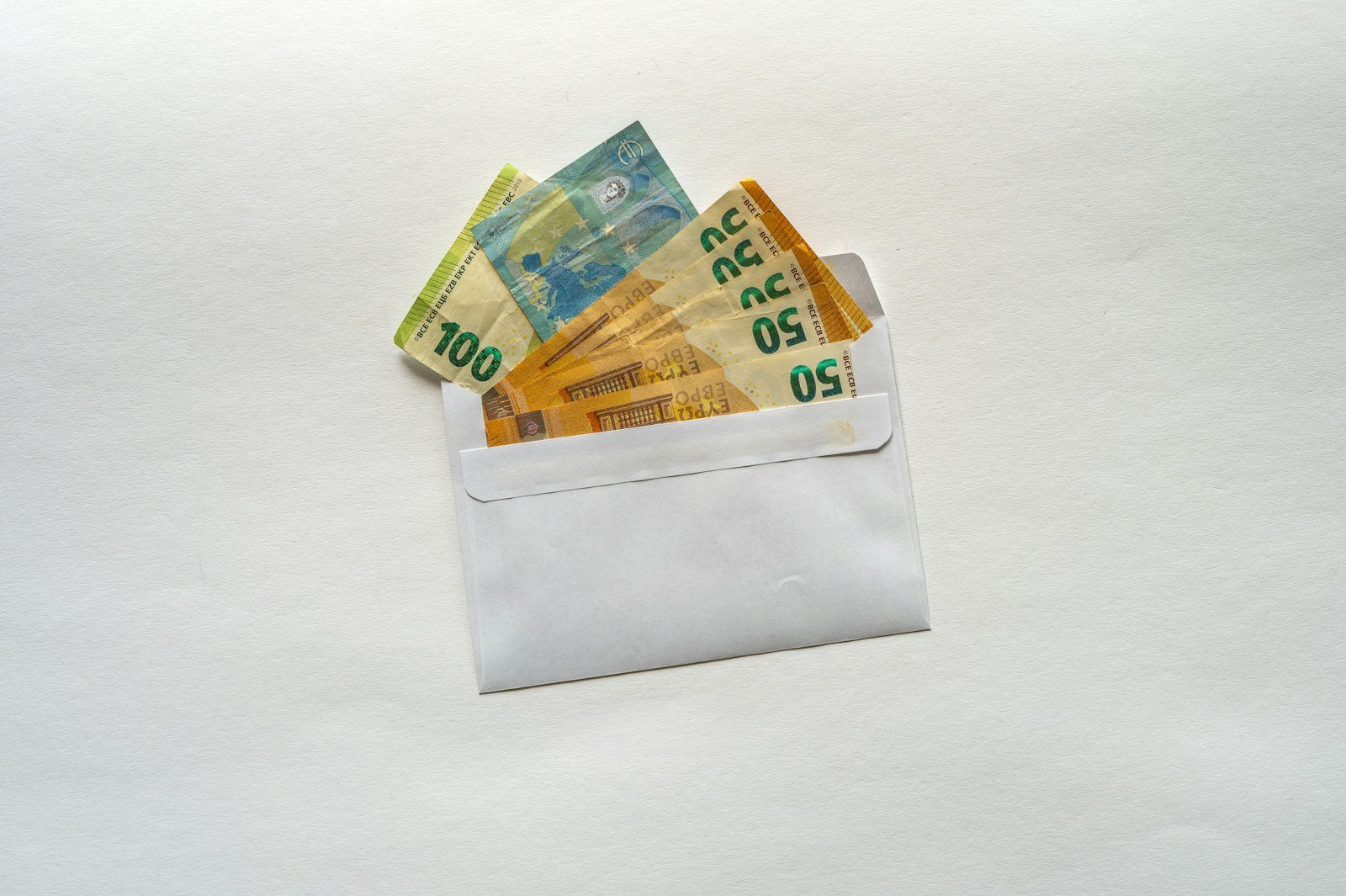
In June 1994, a man left Los Angeles for Italy with his wife and two daughters. In their bags, purse and wallet was US$357,144 in cash. He told inspectors he had about US$15,000. He did not file the report that US law requires above US$10,000. He pleaded guilty to that failure. The government asked the court to take all of the money.
The statute required it. The district court ordered only US$15,000 forfeited, a US$5,000 fine and three years of probation. On 22 June 1998, the US Supreme Court agreed by 5 to 4 in the case called Bajakajian. It held that taking everything would be grossly disproportional and would violate the Excessive Fines Clause of the Constitution.
What the ruling gave, and did not
The ruling is a landmark limit on cash forfeiture when the money is lawful and only the report is missing. It did not erase the loss. The owner was still convicted, still lost US$15,000 and waited four years from the border stop to the final answer.
The Canadian side
Canada reads the same facts differently once suspicion appears. In a 2011 Federal Court case, a Toronto businessman flying from Vancouver to China carried about CAD 53,000 in euros, Canadian dollars and US dollars. He had not filed a currency report. He said he had disclosed it. The border agency said he had only admitted forgetting. An officer seized the money as suspected of coming from a serious offence. A ministerial review confirmed forfeiture in August 2010. The Federal Court dismissed his challenge on 22 June 2011. Some yuan and won were returned on humanitarian grounds.
The reading of that case is that forgetting is not a defense. Once suspicion has been raised, the owner must remove it.
Ireland: a lower bar
In January 2024, officers at Dublin Airport seized EUR 10,000 in cash from a traveler. On 1 December 2025, the Dublin Circuit Criminal Court ordered it forfeited to the Exchequer. The court found, on the balance of probabilities, that the cash came from wrongdoing or was meant for it. That standard asks whether something is more likely than not. Almost two years passed between seizure and order, according to the Irish tax authority's notice.
The United States, without a border
A 79-year-old retired railroad engineer and the engineer's daughter learned a related lesson in August 2019. She carried US$82,373 of the engineer's savings from Pittsburgh to Boston to deposit it. Airport screening flagged the cash, and a federal agent took it. No one was arrested or charged. The government later gave notice that it would keep it by civil forfeiture. The money came back after a lawsuit filed in January 2020, announced on 4 March 2020, according to the Institute for Justice.
The numbers across the country
The Institute for Justice counted 30,574 US airport cash seizures from 2000 to 2016. About 23% of the cases ended with the money returned. In 69% of the cases no one was arrested. The average wait was 193 days. The appendix puts the total at about US$1.78 billion. The report text gives a figure over US$2 billion, so the appendix total is used here.
| Case | Amount | What the owner faced | Outcome |
|---|---|---|---|
| Bajakajian, 1998 | US$357,144 | Full forfeiture sought | US$15,000 plus a fine |
| Canada, 2011 | About CAD 53,000 | Suspicion of a serious offence | Forfeited |
| Ireland, 2025 | EUR 10,000 | Balance of probabilities | Forfeited |
| Pittsburgh to Boston, 2019 | US$82,373 | Civil forfeiture notice | Returned after a lawsuit |
| US airports, 2000 to 2016 | 30,574 cases | Seizure | 23% returned; 193 days |
The objection
You might say, "I only forgot, and my records are clean." The Canadian ruling shows why that may not end it. The Bajakajian result shows that it can help.
Who this touches
A parent who carries savings for a child, a spouse who travels with the envelope and an heir moving an inheritance each face the same line. The papers that matter are bank statements, a sale receipt or a letter that shows where the money came from and why it travels.
Doors you could open
You could list the amount and its source before you pack. You could read the border agency's report form once in advance.
Have you ever crossed with more cash than you meant to? Share what you learned. Someone may find it useful.
Figures are estimates for planning, based on public data. Date read: October 2026.
Sources
- US Supreme Court, 524 US 321, via Cornell Legal Information Institute and Justia (A)
- Federal Court of Canada decision 2011 FC 736 (A)
- Irish Revenue Commissioners notice, December 2025 (A)
- Institute for Justice, Jetway Robbery report, July 2020 (B)
- Institute for Justice case page on the Pittsburgh seizure (B)

Tell us in the comments