Technical article
France: The Property You Own, the Yearly Levies, and the Heirs' Rates
A non-resident heir of a non-resident owner pays French tax on the French home only.
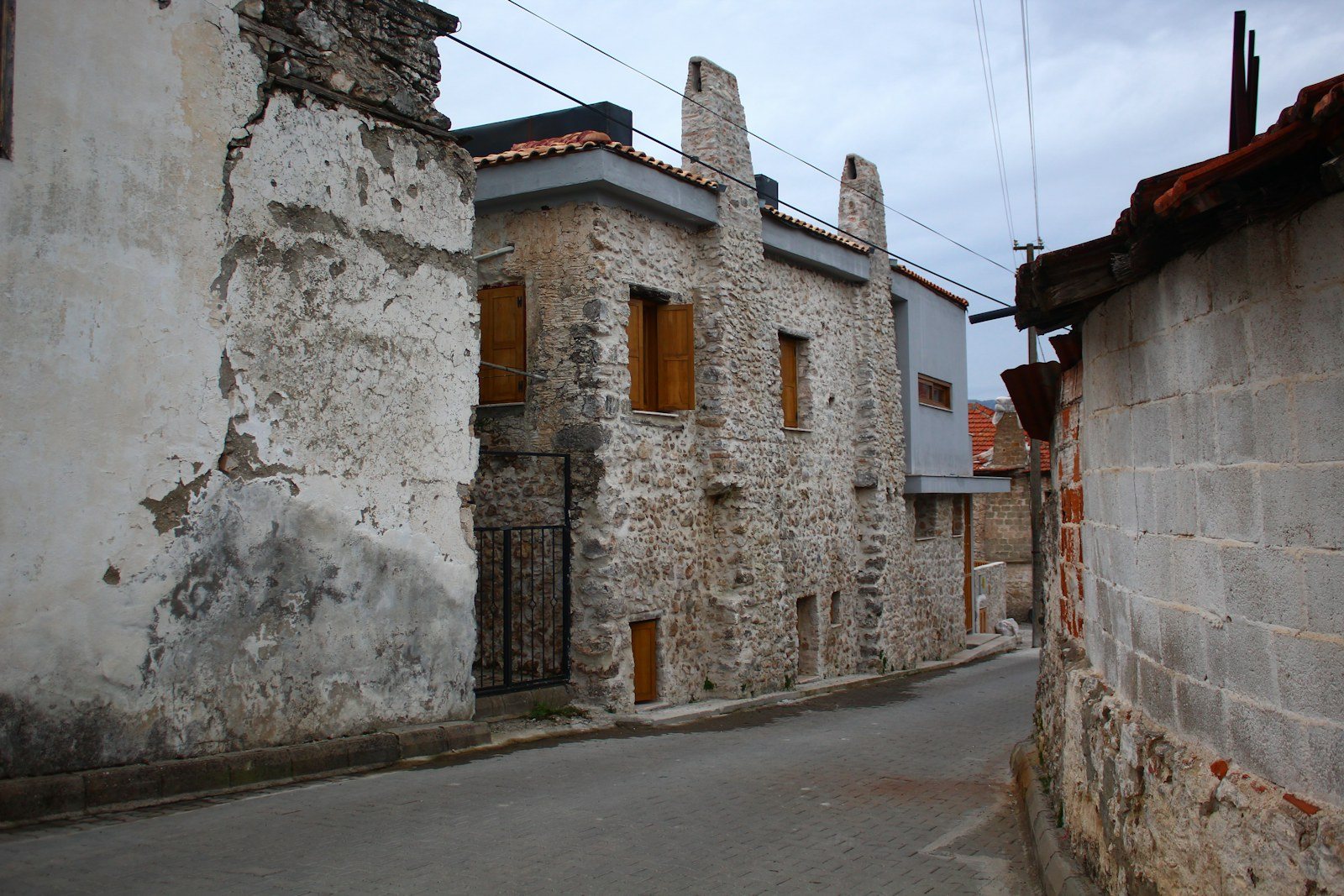
Imagine a retired couple from Australia who own a stone house in France. They have two adult children, one in Sydney and one in London. This is an example. What does the couple own, what does the house cost to keep each year, and what would the children pay?
What a foreign owner holds
A foreigner holds full ownership of a French home. One property-law guide says France places no restriction on foreign buyers, and that nationality and residence do not matter at any stage. After the first signed agreement the buyer has a ten-day cooling-off period, and the deposit is usually 5% to 10%.
A notary completes the sale. On a resale, the transfer duty is 5% in 89 departments, 4.5% in 11, and 3.8% in Indre. At 5% the total duties come to 6.32% of the price. The 5% rate applies to deeds signed from 1 April 2025 to 31 March 2028. All-in fees run about 7% to 8%, according to a notary-fee calculator site.
Yearly costs
| Item | What the sources show |
|---|---|
| Property tax | Paid by the owner, set on 1 January. Housing tax still applies to second homes. |
| Real-estate wealth tax | Owed by a non-resident only if net French real estate passes EUR 1.3 million on 1 January. Rates run from 0.5% above EUR 800,000 to 1.5% above EUR 10 million (PwC tax summary). |
| Rental income | At least 20%, with 30% on the part above about EUR 29,000, plus social charges of 17.2%, or 7.5% for people insured elsewhere in the European area (one secondary site). |
| Company or trust owner | 3% of market value each year, unless exempt (French tax office). |
The 3% levy reaches any legal entity that holds French real estate, including a trust or a company. The tax office lists entities that owe nothing without a form: states, listed companies, and entities with under half their French assets in real estate. Entities based in France, an EU state or a treaty state can be exempt by filing yearly details of the property and its owners by 15 May. Interests under EUR 100,000, or under 5% of the property's value, are exempt.
One guide (tier U) says a property company does not remove French inheritance tax. French wealth tax looks through the shares of such a company (PwC, tier B). One guide says shares in such a company count as movable property. Another says children keep a reserved share anyway. The two guides differ.
What the children get and pay
A French notary names the heirs, checks the will register, and can issue a European Certificate of Succession. The tax return is due within six months of a death in France, or one year if the death was abroad. Late payment costs 0.40% a month.
French law protects children against a will. They hold one half of the estate if there is one child (a French legal-information site; the notaries' guide is unclear on a single child), two-thirds for two, and three-quarters for three or more. Since 2021, a child can claim compensation from French assets if foreign law has no such reserve. That claim comes from a secondary site.
The government's public-information page gives the inheritance tax. In the direct line, each child has an allowance of EUR 100,000 per parent. After that the rate runs from 5% up to 45%. A spouse or registered partner pays nothing. Unrelated heirs pay 60%.
A non-resident heir of a non-resident owner pays French tax on the French home only. Worldwide reach applies only to an heir who has lived in France at least six of the last ten years.
Selling
A non-resident pays the same as a resident. The income tax is 19%, and the social charges are 17.2%, or 7.5% for those insured elsewhere in the European area. A surtax of 2% to 6% applies above EUR 50,000 of gain. Income tax ends after 22 years of ownership. Social charges end after 30. A fiscal representative is needed when tax is due, except for EU sellers under certain conditions.
You could
You could ask the notary which reserved share applies to your family. You could ask whether any entity in the chain owes the 3% levy. You could ask which of your children would live in France more than six years in ten.
If your children live far from the house, what would you want waiting for them? Share it here. Someone may find it useful.
Figures are estimates for planning, based on public data. Date read: October 2026.
Sources
- French government public-information service, inheritance tax and capital gains pages, 2026 (A)
- French tax office page on the 3% levy, 2026 (A)
- European notaries' succession guide for France, 2023 (A)
- PwC Worldwide Tax Summaries for France, 2026 (B)
- Etudes fiscales internationales, 2024 (B), notary-fee calculator website, October 2026 (C)
- French legal-information site on reserved shares, 2026 (C), a property-law guide website, October 2026 (U)
Tell us in the comments