Technical article
Moving a Collection to Another Country: Duty, Relief and What Is Refused
Most countries give a break on used household goods, with conditions.
Imagine a retired couple in Ohio. They have forty paintings, a few old cabinets and a cellar of wine. They are moving to Portugal, and a shipping company is ready to quote. What will customs let through, and what will it tax or turn back?
Here is what the sources show. Most countries give a break on used household goods, with conditions. Alcohol is usually left out of that break. Art and antiques sit in a gray area that depends on the country.
The break most countries offer
The European Union calls it relief for a transfer of residence. A person needs 12 months of living outside the EU and 6 months of owning the goods. The goods must arrive within 12 months of the move. For 12 months after that, the goods may not be sold, lent, hired out or pledged without telling the authorities, or duty becomes due. The EU rule excludes alcohol and tobacco, so wine pays duty and excise on import. That is the regulation itself.
The UK has nearly the same test: 12 months abroad, 6 months of owning, import within 12 months. The application goes in online before the goods ship, with no approval afterward. Alcohol and tobacco are left out. Without relief, the UK charges duty plus value-added tax on the goods, shipping and insurance.
Country by country
| Place | What the sources say | What is taxed or refused | Source |
|---|---|---|---|
| EU | Relief for a transfer of residence | Alcohol, tobacco | Regulation text (A) |
| UK | Same 12, 6 and 12 month test | Alcohol, tobacco | Government page (A) |
| Portugal | Consulate certificate of 12 months abroad | Second-home imports pay 23% value-added tax; alcohol refused in shipments | Movers' guide (C) |
| Mexico | Goods owned over 6 months, with a stamped inventory | Under 6 months, 20% duty plus 16% tax; wine, collectible coins, art, antiques and precious metal objects listed as refused | Movers' guide (C) |
| Thailand | Work and one-year visas, and the Smart Visa | Retirement visas and the Elite visa are not covered | Movers' guide (C) |
| Panama | Pensionado visa includes used household goods | Firearms refused | Movers' guide (C) |
| Australia | Goods owned and used 12 months or more | Alcohol; antiques over 100 years still pay 10% tax | Movers' guide (C) |
| Canada | First-time settlers, listed on arrival | Goods sold within 12 months owe duty | Movers' guide (C) |
Costa Rica is the other end of the range. One movers' guide says it has no general duty-free break for foreigners.
Coming home to the United States
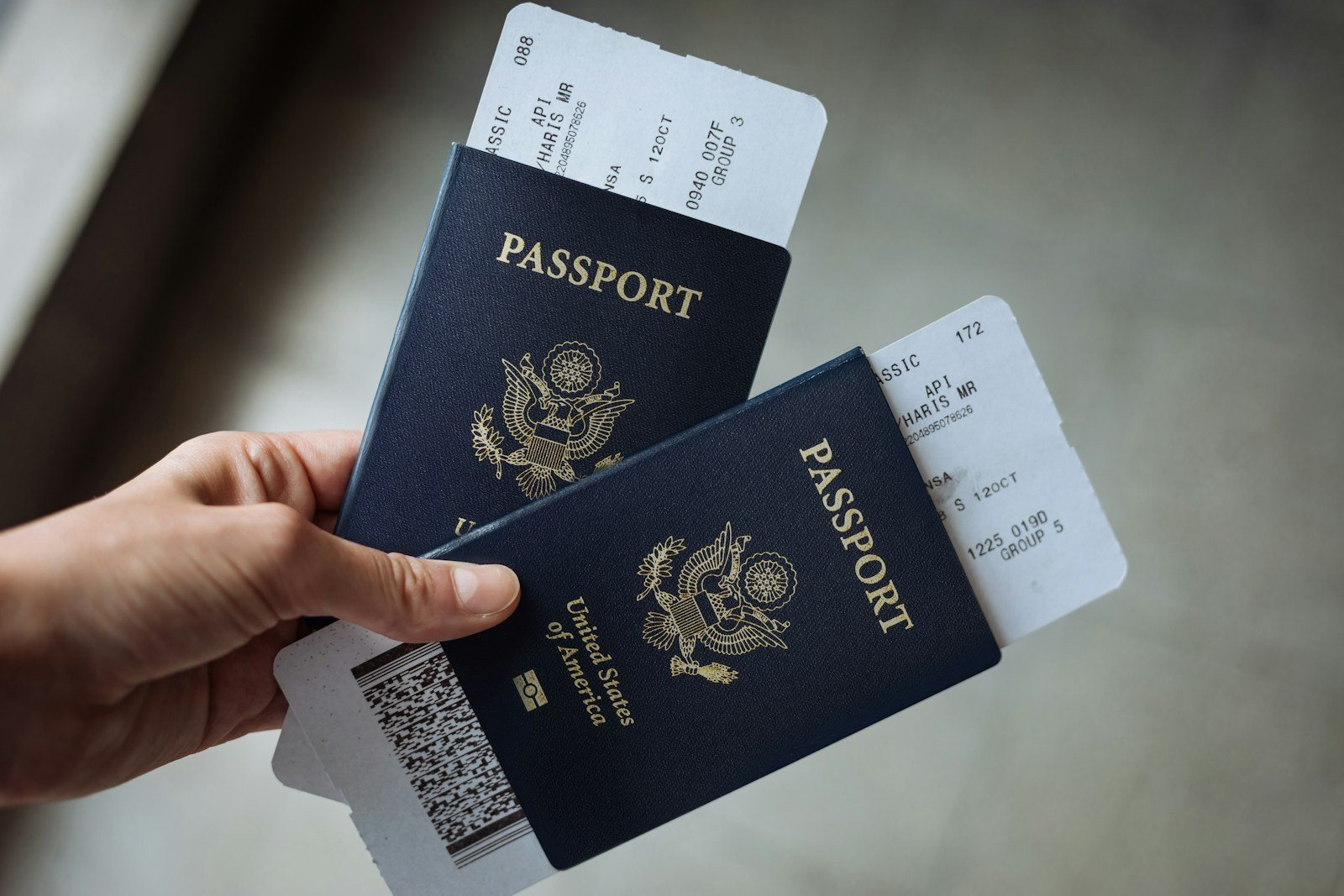
A returning American may bring in household effects, furniture, carpets, paintings and books free of duty if used abroad for at least one year. That is a federal rule. The tariff schedule also lists paintings, antiques over 100 years old and old prints at a general rate of Free. A traveler may carry up to US$800 of purchases without a formal declaration, and one litre of alcohol sits inside that figure.
The Mexico list
The Mexican guide goes further than most. It says anything missing from the stamped inventory can be seized, and goods left unclaimed can be held 30 days at an airport or 60 at a port before they are confiscated.
You might say, "I will just pack the wine in the same boxes." The sources show the risk: in the EU the relief excludes it, and in Portugal and Mexico the movers' guides list it as refused in shipments. There are a few doors here. Wine can be sold before the move, carried in a small amount within a traveler allowance, or shipped with the duty paid.
Mexican law also covers the way out. A private owner who wants to export a historical or artistic monument needs a permit, and the statute sets prison terms of 5 to 12 years for exporting without one.
Who this touches
A move with a collection touches a spouse who does not collect, adult children who may inherit it, and the person who writes the inventory. A valued, photographed list helps all three. It also helps at the customs desk.
Doors you could open
You could ask the receiving country's consulate for its current list in writing. You could ask a mover which of their forms the destination wants. You could sell what is refused and ship the rest. You could also leave the most valuable pieces in storage at home for the first year.
Two earlier stories cover the rest of the move: Shipping Your Car and Your Things: What Customs Pages Say for Portugal, Montenegro and Romania, and Shipping a Container or Starting Fresh for the choice of what to ship at all.
Where do your pieces sit on these lists? If you have shipped a collection into one of these countries, share what the customs office asked for first. Someone planning the same move may benefit.
Figures are estimates for planning, based on public data. Date read: October 2026.
Sources
- EUR-Lex Regulation 1186/2009 (A)
- GOV.UK and HM Revenue and Customs transfer of residence (A)
- US Code of Federal Regulations on household effects (A)
- US International Trade Commission tariff schedule (A)
- Mexican Chamber of Deputies monuments law (A)
- International Association of Movers country guides (C)
Tell us in the comments