Rent or Buy in Retirement: The Break-Even in Plain Numbers
The rent is US$900 a month, or US$10,800 a year.
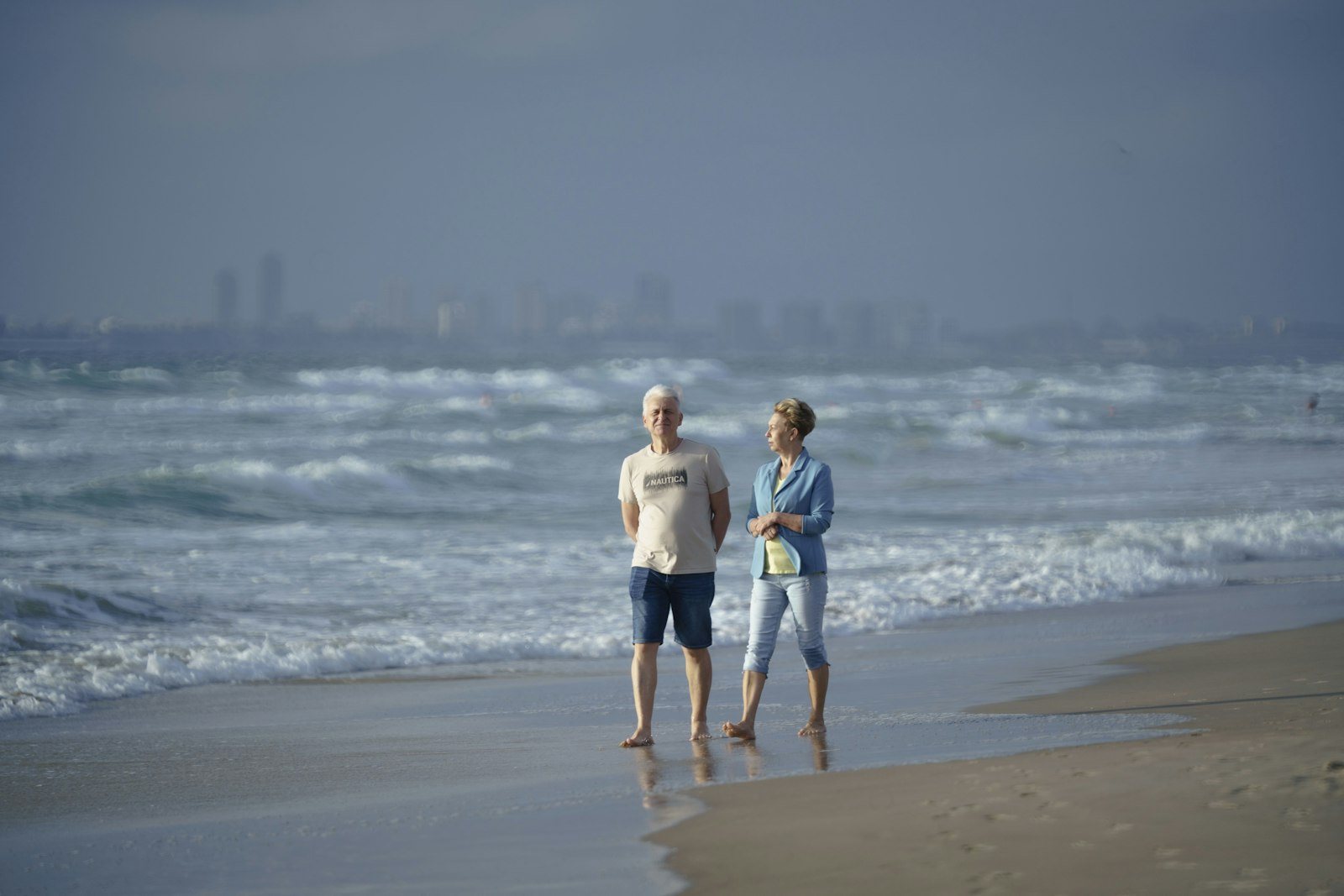
Picture a couple named Inez and Calvin, 63 and 66. They have lived in a rented apartment abroad for a year. The rent is US$900 a month, or US$10,800 a year. A similar apartment is for sale at US$180,000. The prices are an illustration.
Calvin wanted to buy. "We pay rent and we own nothing."
Inez wanted to know when buying would pay off, if it ever did. She started with one division: the price over a year of rent. 180,000 divided by 10,800 is about 17. A published price-to-rent framework treats a ratio below about 16 as favoring buying, 17 to 20 as comparable, and above 21 as favoring renting. National ratios in that framework run from 13 in Costa Rica to 24 in Portugal.
The ratio ignores what buying costs on the way in and out. So Inez added them, and she made sure every cost of owning was on the list. A renter pays utilities, and so does an owner, so those are left out of both sides.
- Closing costs of 8% of the price (the range is commonly 5% to 12%): US$14,400
- Selling costs of 6% when they leave: US$10,800
- Property tax and building fees: US$2,400 a year
- Repairs and upkeep at 1% of the price: US$1,800 a year
- Money tied up in the apartment, at an assumed 4%: US$7,200 a year
The one-time costs add up to US$25,200. The yearly costs of owning add up to US$11,400. Renting costs US$10,800 a year. The yearly cost of owning is higher than the rent by US$600, and the one-time costs come on top.
| Years | Renting, total | Owning, total |
|---|---|---|
| 3 | US$32,400 | US$59,400 |
| 5 | US$54,000 | US$82,200 |
| 10 | US$108,000 | US$139,200 |
| 15 | US$162,000 | US$196,200 |
| 21 | US$226,800 | US$264,600 |
"It never catches up," Calvin said.
"With this table it does not," Inez said. "The table holds the rent and the price flat, and prices do not stay flat. That is why I wrote down what moves."
She tried three cases. In each one, the table counts the apartment's sale at the new price, takes out the 6% selling cost, and counts the gain.
| If these rise each year | The year owning costs less than renting |
|---|---|
| Neither (flat) | Never |
| Rent rises 3% | Year 15 |
| Price rises 3% | Year 6 |
| Rent and price both rise 3% | Year 5 |
| Rent rises 3%, price rises 2% | Year 7 |
When both rise at 3%, she saw the totals look very different. After ten years, renting totals US$123,800 and owning totals US$87,200. After twenty years, renting totals US$290,200 and owning totals US$145,700.
The answer depends mostly on the price. Rent rising helps the case for owning, but a price that rises helps much more. No one knows what the price will do. Calvin said that was the part he could not plan around. Inez wrote down the number of years they expect to stay and read that row.
The tables leave out any tax on a gain, the cost of a bad year for prices, and the chance that the apartment sells for less than they paid. A price that falls makes the break-even later, or never.
You could…
- Swap in the price, rent and fees from a real listing.
- Ask a local lawyer for the closing and selling costs in your country.
- Write down how many years you expect to stay, then read the row for that number.
- Try the table with the price flat, then with it rising a little, to see how much of the answer depends on that one number.
What number of years did you write down, and what did it point to? Leave your number in the comments. A reader doing the same sum could compare years with you.
Figures are estimates for planning, based on public data.
Sources: a published price-to-rent framework and national ratios; typical closing and selling cost ranges. All other figures are illustrations.

Tell us in the comments