The Long Table: Meals as Belonging in Argentina and Ecuador
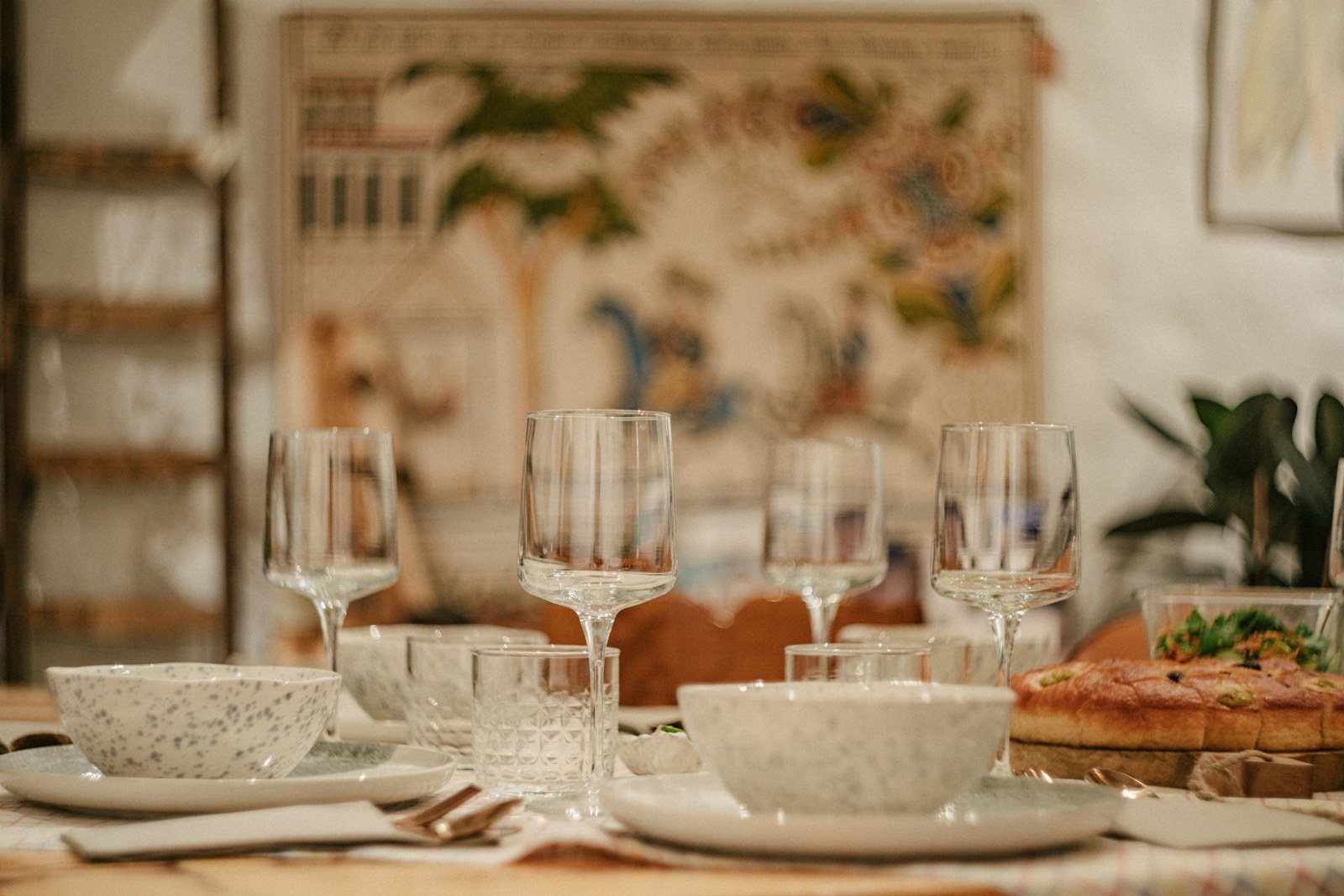
If you sit at a long table, it can turn into a neighborhood in a season.
Picture a couple named Ruth and Daniel. They have just moved to a new country. On their second Sunday a neighbor waves them over to a smoking grill. They think they are going for a bite. They are still there when the light goes orange.
Ruth turns to Daniel and says, "Did we just spend the whole day eating?"
Daniel laughs. "I think we did. And I don't mind at all."
That small scene is what I hear again and again from people who moved to Argentina. The asado is not a quick dinner. It is a whole-day ritual. Someone tends the fire from early on. People arrive, leave, come back. The talk wanders. Nobody checks a phone to see when it ends, because it does not end on a clock. It ends when it ends.
One woman from France, writing about Argentina, described how people there relate to each other around a table. What stands out to me is that she was not praising the food. She was describing how long meals make room for people. In a short meal you trade news. In a long one you get to the second and third subject, the ones where a friendship starts.
How it differs by place
Argentina. The table is a weekend event. It is planned around people, not around hunger. Several newcomers describe the warmth of being included, and the feeling that a long meal says "you belong here" more clearly than any greeting.
Ecuador. The picture I get is more everyday. People talk about the table as community, and about the same bakeries and restaurants where the faces become familiar. You go back to the same place, and the owner remembers you. Belonging comes in small repeated visits, not one big Sunday.
| Argentina | Ecuador | |
|---|---|---|
| Rhythm | One long gathering | Many short, familiar stops |
| Where it happens | A home, around the fire | A bakery or a favorite restaurant |
| How belonging grows | By being invited in | By being recognized |
I think both can feel like home. They ask for different things from you. The Argentine way asks for time and an open afternoon. The Ecuadorian way asks for patience and a habit of returning.
What I make of it
I notice that many people who plan a move think about weather and paperwork. Fewer ask what an ordinary meal will be like. Yet the table is where a lot of daily life happens. If you eat alone and fast, a place can stay a backdrop for years. If you sit at a long table, it can turn into a neighborhood in a season.
It could also be tiring. A whole day of talk in a second language is real work. Some people love it. Others find they want their quiet Sunday back. Neither feeling is a mistake. It is just worth knowing which one is yours.
You could…
- Notice how long your last three meals with other people actually lasted.
- Ask someone who lives there what a normal Sunday looks like.
- Try a long, slow meal at home with friends and see how it feels.
- Plan your first month near a bakery or café you can visit on foot.
When did a meal last turn into the part of your day you remember most, and who was at the table?
Tell us in the comments