The Small Pleasures That Turn a Place Into Home: Europe
Small pleasures are easy to romanticize from far away.
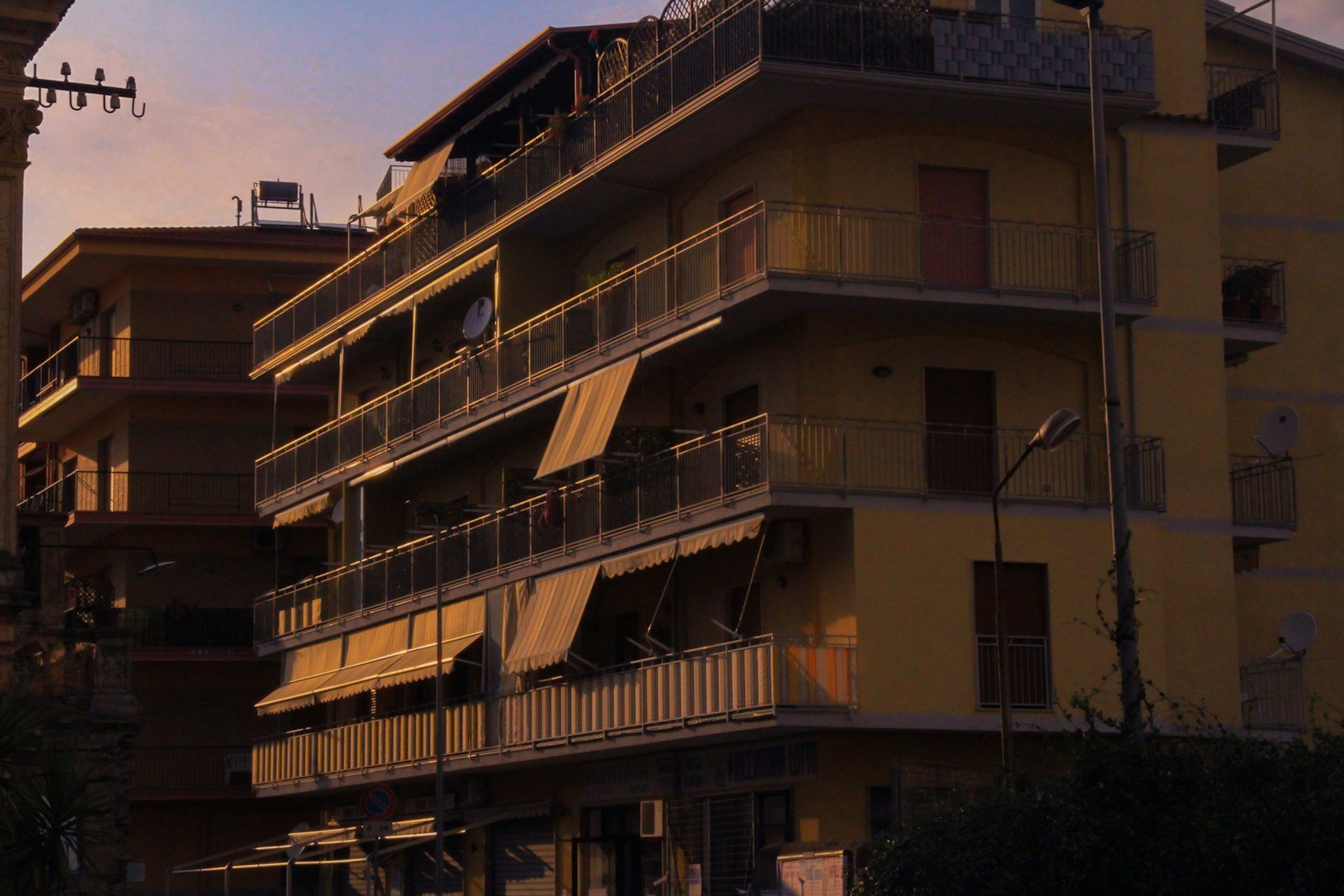
Picture a couple named Helen and Marcus. They sit on a balcony at the end of a long day. Nothing special has happened. They had coffee, walked to a market, said hello to a neighbor. Helen turns to Marcus and says she has not felt this settled in years.
I find this is how many people describe a move that worked. They start with a list of reasons: the sun, the sea, the history. A year later, the list they give is different. It is shorter and much more ordinary.
"I thought I would miss the big things," Marcus says. "I only notice the small ones now."
"Like what?"
"Like the way the evening starts."
What people describe, country by country
Here is my reading of what people say they love most once the newness wears off. These are feelings, not facts about each place. Your own day could look very different.
| Place | The small pleasure people describe |
|---|---|
| Spain | A calm contentment at 66, more than at any earlier age |
| France | A town of 3,400 where everything is a walk away and faces become familiar |
| Italy | Couples in their seventies living a slow seaside routine |
| Netherlands | A street that feels like a shared living room |
| Greece | An olive grove for some, the rhythm of a big city for others |
| Cyprus | Months with the windows open, cobbled lanes, lemons |
| Slovakia | A castle seen from the balcony each evening |
| Bulgaria | A modest pension that still leaves room for a good life |
| Moldova | Families strolling after dinner, winter skies full of stars |
| Sweden | A first year of knitting, cycling and the sauna |
What the pleasures have in common
One thing stands out to me, and it shows up in different clothes. The pleasures are close. They are at the end of the street, or the edge of the balcony, or a few steps from the door.
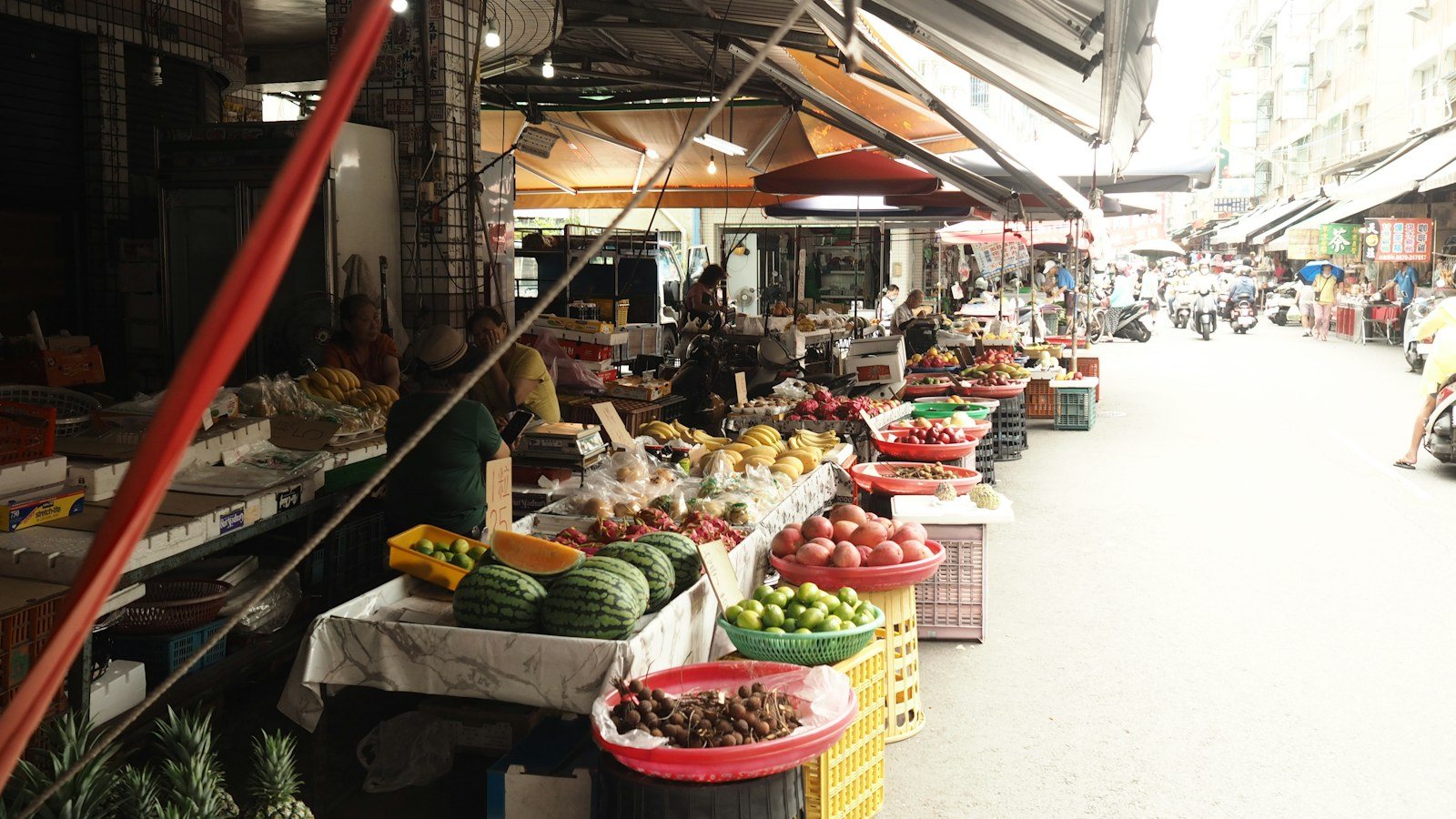
A town of 3,400 people offers a human scale. You can know the baker and the baker can know you. A living street in a Dutch city gives the same feeling in a bigger place. In both, people say the day has fewer hurdles in it.
Greece shows how two people can read the same country in two ways. One couple found their joy in an olive grove, with long days and few plans. Another writer chose Athens over the islands because a city gave her people, shops and movement. Neither is wrong. The pleasure was not in the place on the map. It was in whether the place matched the pace they wanted.
The weather matters, but less than the brochures suggest. Windows-open months in Cyprus sound like a weather story. In the telling, they are a story about doors, lanes and lemons. In Sweden, the pleasure came from taking up things like knitting and cycling, and from the sauna. It was a first-year story of fitting a new habit into a new place.
Money shows up too, gently. In Bulgaria, one couple said they regret nothing, even on a tight pension. In Spain, a retiree said she felt more content at 66 than ever. I read both as the same idea: when the pleasures are small and close, they tend not to depend on a large income. That is worth testing for yourself, in your own numbers.
A caution I would offer myself
Small pleasures are easy to romanticize from far away. A balcony view is lovely in week two. The question is whether it still moves you in month nine. I would ask what the pleasure is made of. A castle on the horizon does not change. A neighbor who waves may move away. A habit you bring with you, like a morning walk, goes wherever you go.
You could…
- Write down the five small things that make an ordinary day good at home today.
- Mark which of them travel with you and which belong to one place.
- Spend a month somewhere, and keep a note each evening of what you enjoyed.
- Ask people who live in your chosen town what they do on a day with no plans.
What small pleasure would you miss most if it were gone tomorrow?
Tell us in the comments