Still the Foreigner After Ten Years: Making Peace With It
Some wait for belonging as if it were a prize.
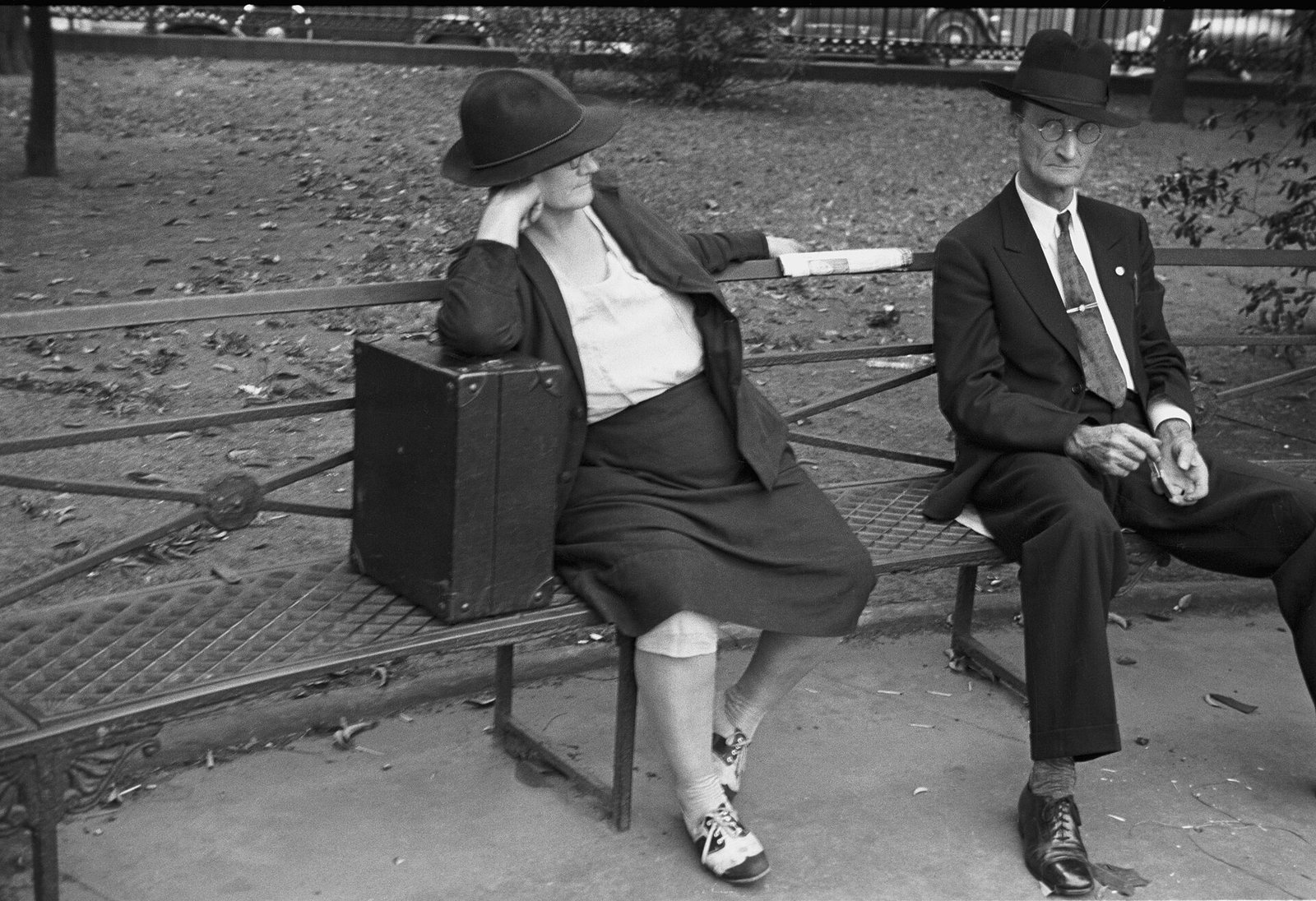
Picture a couple named Helen and Paul. After ten years in their adopted city they speak the language well, they know the shopkeepers, and they have a favorite bench. Last week someone asked Helen where she was visiting from. She smiled and said, "Here." The person smiled back, kindly, and did not quite believe her.
I think this is one of the least discussed parts of moving abroad. Nobody puts it in a guide. Yet when I read what long-term residents write, it comes up again and again, and the feelings are mixed.
Three places, three moods
These are my readings of what people describe, not claims about the places.
South Korea. One writer who had lived there for around ten years still felt like an outsider, and their tone was wistful. They were not angry. Another resident, nine years in, described hearing the phrase "this is Korea" as an answer to questions about why things are done a certain way. That person sounded hopeful, though. They seemed to treat the phrase as a door that was closed for now, not a wall. The mood I take from both is patience.
Taiwan. A person who lived in Hualien said they felt like an outsider most of the time. Notice the words "most of the time." That means some of the time they did not. I find that honest. Belonging, for many people, comes in moments and then leaves again.
Mongolia. One writer told a story with real humor about being a foreigner who does not look the part of a foreigner. People expected something else from them. I read that as a reminder that being an outsider is not always about how you look. It is about what others expect, and sometimes those expectations are funny.
A short exchange
Helen tells Paul about the bench.
"They asked where I was visiting from again."
"What did you say?"
"I said here. Then I bought bread."
What I make of it
I do not think there is a villain in any of these accounts. A community that has been in one place for generations has its own way of counting who belongs. Retirees from abroad bring their own habits. Both sides are doing what is natural.
What stands out to me is how differently people carry it. Some wait for belonging as if it were a prize. Others stop waiting and enjoy being welcome. I think the second group is happier, though I cannot prove that. The first group often seems to be measuring themselves against a finish line that does not exist.
There is a useful split here. Belonging is something others give you. Being welcome is something you can often feel today. If you need belonging, think carefully. If welcome is enough, many places could work.
I also notice that the people most at peace seem to have something of their own that travels with them: a craft, a routine, a few close friends who are also from elsewhere. They are outsiders together, and that seems to help.
You could…
- Ask yourself whether you need to belong, or only to feel welcome.
- Talk with someone who has lived somewhere ten years and ask how the feeling changed.
- Build one small routine that does not depend on anyone's approval.
- Learn enough of the local language to be understood, and accept that it may not erase the question.
Where have you been the outsider, and what helped?

Tell us in the comments