Technical article
United Kingdom: The GBP 6,000 Line, the Car Exemption and Inheritance Tax on a Collection
The rule follows the life of the thing.
Picture a widower in Surrey with a painting, a stamp collection, a vintage car and an old watch. His daughter lives in Canada. He wonders which of the four the tax office cares about. The rules say very different things about each.
The GBP 6,000 line
The UK government site lists jewelry, paintings, antiques, coins, stamps and sets as possessions that are taxable if sold for GBP 6,000 (about US$7,800) or more. Its list of chargeable assets also names cryptoassets. A sale for GBP 6,000 or less is not a chargeable gain. Above that, the gain is capped at 5/3 of the excess over GBP 6,000. The relief ends at GBP 15,000, where the cap meets the ordinary gain.
Capital gains tax runs at 18% inside the basic-rate band and 24% above it, for 2026-27. The annual exempt amount is GBP 3,000 for 2026-27.
What the manual leaves out
HM Revenue and Customs manual pages say:
| Item | Treatment |
|---|---|
| Ordinary passenger car, including vintage | Exempt. Motorcycles, vans and racing cars are not covered by that exemption |
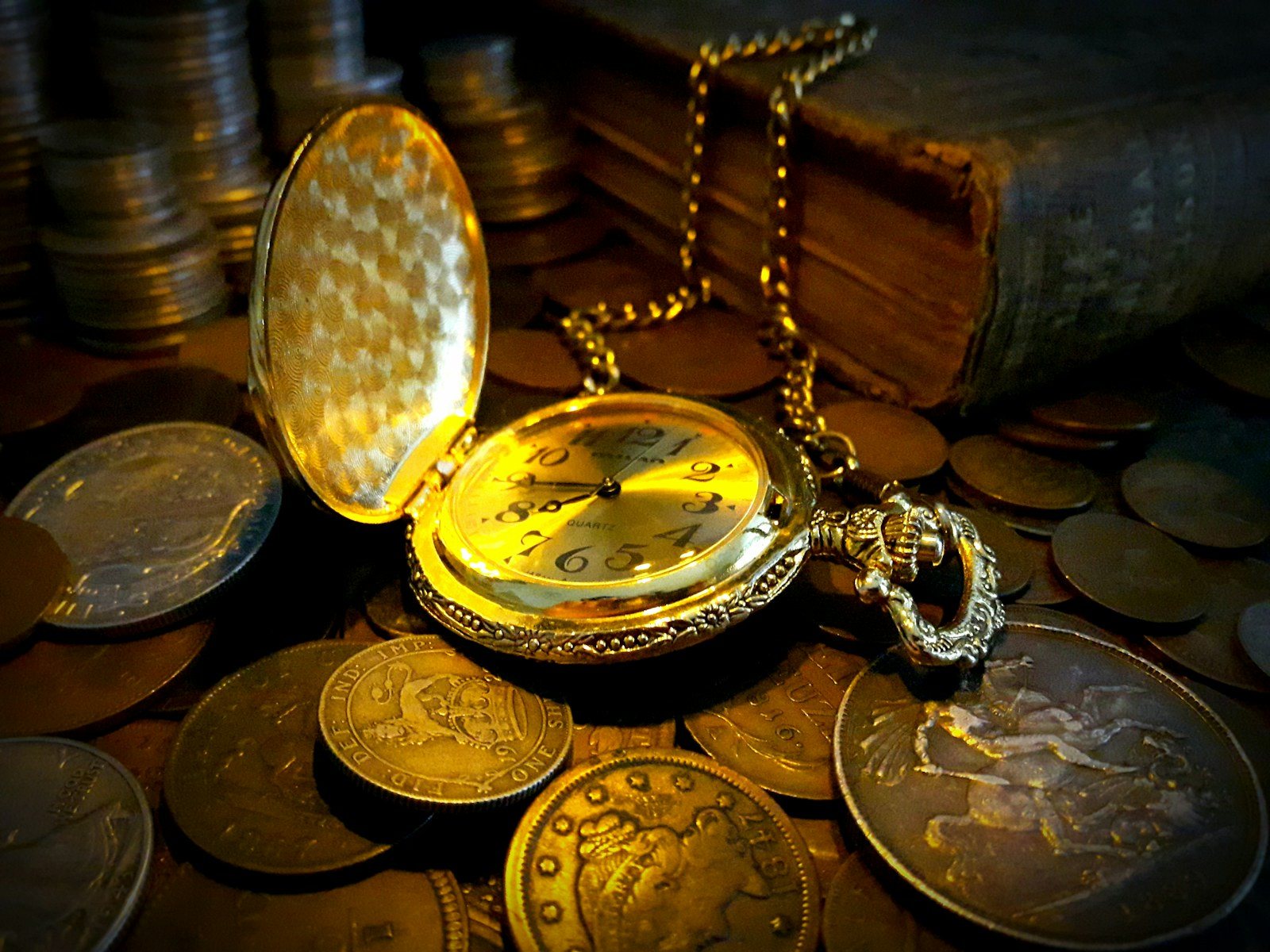
| Antique clocks and watches | Treated as machinery with a life of 50 years or less, so exempt unless used in a business |
| Sterling coins and notes that are legal tender | Not chargeable. Other coins can use the GBP 6,000 rule |
| Stamp or coin collection | Usually not a set, unless it holds every value of one issue |
| A set sold to one buyer | One GBP 6,000 limit for the set |
| A mixed collection | Price is split on a just and reasonable basis, and the auction catalog is asked for |
Fine art, antiques and jewelry are not wasting assets, so they stay chargeable.
At death and by gift
There is no capital gains charge on the person who has died. The personal representatives acquire the items at market value on the date of death, and an heir takes that value. A gift, other than to a spouse or a charity, counts as a sale at market value even though no money changes hands.
Inheritance tax is 40% above the tax-free threshold, or 36% if 10% or more of the net estate goes to charity. The nil-rate band is GBP 325,000 and the residence band GBP 175,000. The government table shows the nil-rate band to 5 April 2031 and the residence band row to 5 April 2030, so the two dates differ in the table. Gifts in the seven years before death can be taxed: 40% in the last three years, then 32%, 24%, 16% and 8% on the taper.
One probate firm's article gives a dining table insured at GBP 4,000 that might fetch GBP 300 at auction. HM Revenue and Customs calls valuations the biggest area of risk.
Pre-eminent objects can qualify for conditional exemption if the owner keeps them in the UK, preserves them and allows public access, usually 28 days a year. Under acceptance in lieu, an estate can offer objects instead of tax and receive 25% of the tax saved for art, according to one magazine.
The objection
You might say a car and a watch ought to be taxed like a painting. The manual says otherwise, because a watch has a predictable life and a painting does not. The rule follows the life of the thing.
Doors you could open
You could list each item with its cost and likely value, and note which sit under the GBP 6,000 line. You could ask your children which pieces they want, since an heir starts from the date-of-death value.
Where has the UK rule surprised you or someone you know? Share it here. Someone with a drawer of stamps may be glad to read it.
Figures are estimates for planning, based on public data. Date read: October 2026.
Sources
- legislation.gov.uk TCGA sections 17, 62 and 263 (A)
- GOV.UK personal possessions and thresholds (A)
- HM Revenue and Customs Capital Gains Manual CG76631, CG76871, CG76881, CG76883, CG76904, CG76906 (A)
- Blake Morgan LLP (B)
- Withers LLP (B)
- Today's Wills and Probate (C)
- Spear's Magazine (C)


Tell us in the comments