Technical article
United States: The 28% Rate on Collectibles, and Why Gold Bars Are in It
The IRS says net long-term gains from selling collectibles, such as coins or art, are taxed at a maximum federal rate of 28%.
Picture a retiree in Arizona who sells a painting and a few gold bars. As an example, each was bought many years ago and each is now worth much more. The retiree assumes the usual long-term rate on gains applies. The answer from the sources is a little different.
The rate
The IRS says net long-term gains from selling collectibles, such as coins or art, are taxed at a maximum federal rate of 28%. Long-term means held more than one year. Gains on items held a year or less are taxed at ordinary rates. The tax falls on the gain, which is the sale price less what you paid.
Why gold bars are in it
The IRS page on this rate, Topic 409, names coins and art. It does not mention bullion. Two other sources do.
The Schedule D instructions define collectibles for the 28% rate to include "metals (such as gold, silver, and platinum bullion)", plus gems, stamps, coins, art, rugs, antiques and alcoholic beverages. The statute behind the rate borrows its definition of a collectible from the individual retirement account rules. In doing so it sets aside the exception for certain gold, silver and platinum coins. So bullion held over a year is taxed at up to 28%, and so are those coins.
A second tax can sit on top. The 3.8% net investment income tax can apply above set income levels, which the IRS lists at US$125,000, US$200,000 and US$250,000 depending on filing status.
What else the rules say
| Question | What the sources say |
|---|---|
| Swap a painting for another painting | Taxable. Like-kind exchange now covers real property only, for exchanges after 31 December 2017 |
| Sell at a loss and buy back within 30 days | The wash-sale rule is written for stocks and securities, not tangible collectibles |
| Loss on a piece kept only for display | Not deductible. A loss is allowed only if the item was held as an investment (one bank's guide) |
| Collectible bought inside a retirement account | Treated as a distribution equal to its cost, with exceptions for certain coins and bullion |
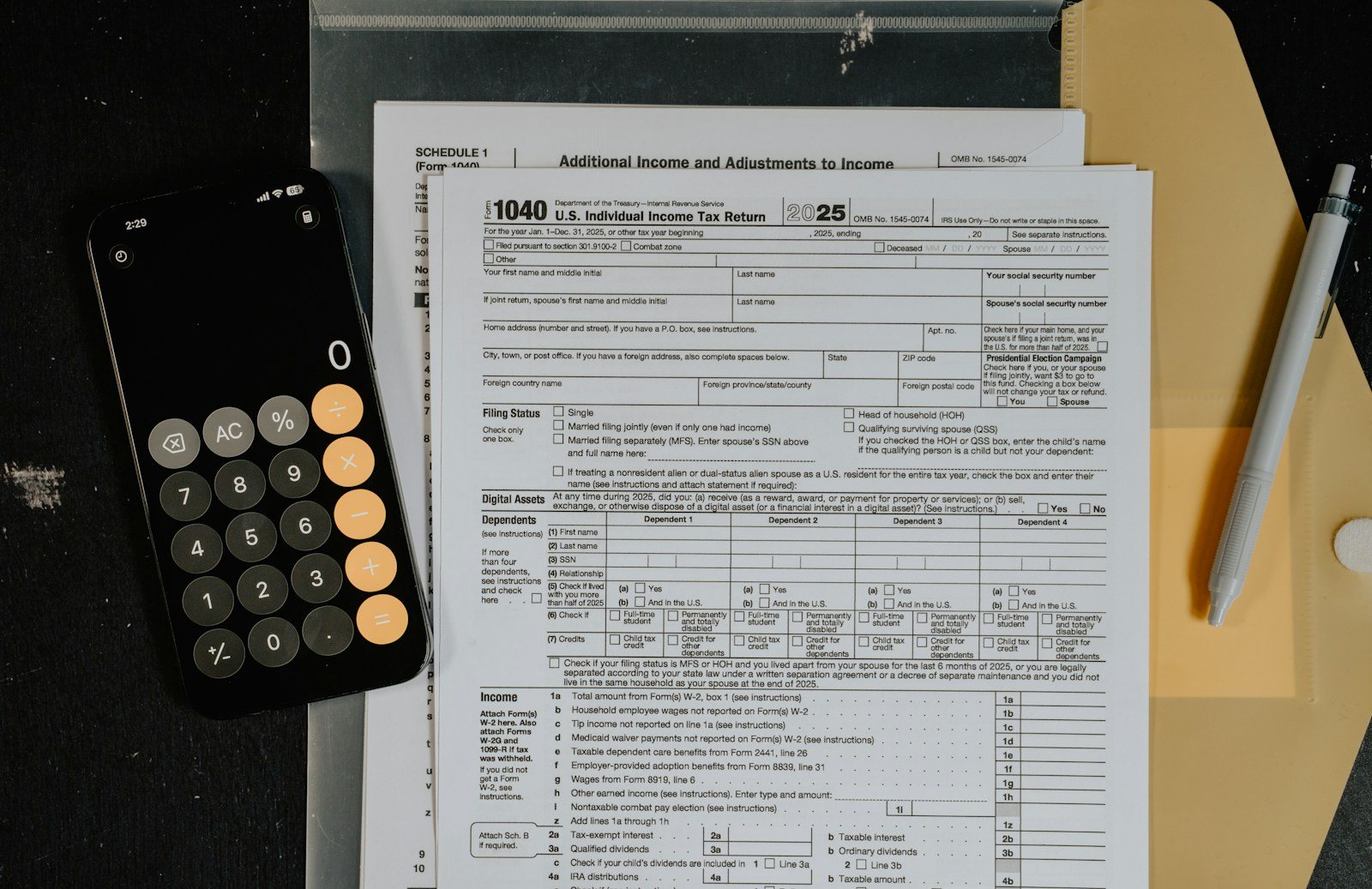
| Reporting a sale | Collectibles go on Form 8949, not the Schedule D shortcut |
The wash-sale line cuts both ways. The rule that stops a stock loss from being claimed does not appear to reach a coin. The swap line is the surprise for many collectors, who remember the older rule.
The objection
You might say gold is money and ought not to be called a collectible. The word comes from the statute, not from anyone's view of gold. The Schedule D instructions are the plainest line: bullion is named in the list. The IRS page most people read first leaves it out, which is why the point surprises people.
Who else it touches
If a collection belongs to a parent, the 28% rate may never reach you. Property inherited from a person who has died takes its value on the date of death as its starting point. That is a separate article in this series. A gift made now keeps the giver's starting point.
Doors you could open
You could list each item with the year and price you paid. You could ask whether your sale is above or below one year.
Which of your valuables did you assume sat under the ordinary rate? Share what you found. Someone else may be about to sell a bar.
Figures are estimates for planning, based on public data. Date read: October 2026.
Sources
- IRS Topic 409 (A)
- IRS Schedule D instructions (A)
- Cornell LII, 26 USC 1(h)
- 408, 1031 and 1091 (A)
- IRS Topic 559 (A)
- IRS Instructions for Form 8949 (A)
- Charles Schwab (B)

Tell us in the comments