Who Holds Your Spare Key?
What matters, I think, is that someone knows you are here, and knows what to do if you do not answer.
Picture a couple named Claire and Tom. They live in a small apartment in a town where they know the baker and the woman at the pharmacy. One morning Tom slips on the kitchen floor and cannot get up at once. He is fine in the end. But Claire, sitting on the floor beside him, thinks: who has our key?
"Nobody," she says out loud.
"What?"
"If it had been worse, and I had been out, nobody could have come in."
Tom is quiet. "We could give one to the neighbor."
"Which neighbor?"
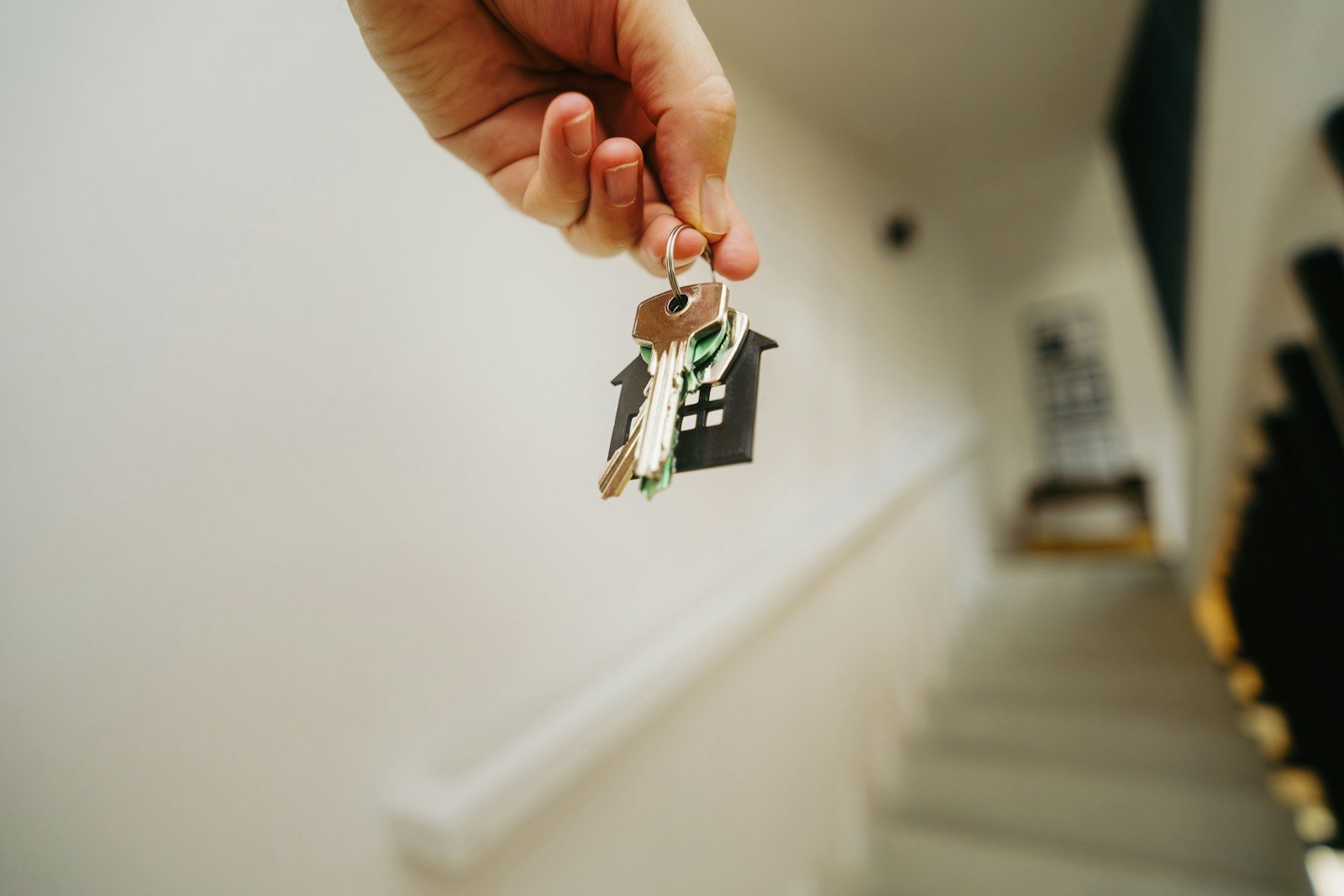
I think this is one of the most practical questions in retirement abroad, and also one of the most emotional. A spare key is a small object. What it stands for is trust.
What people describe in France
One writer in France put the question as a title: who has my key if I fall? The feeling was vulnerable, plain and honest. Living alone, even happily, brings a moment when we picture a fall or an illness and realize that no one nearby has a way in.
What I notice is that the writer listed it among the challenges faced, as something to be worked on, not feared. That tells me it can be solved. It is a problem of people, not of paper.
What people describe in Hungary
The Hungary note was cautious. Living alone can feel lonely when you are ill, someone wrote, and the loneliness is of a different kind than the loneliness of a quiet evening. A healthy person can be alone and content. A sick person alone may feel it differently, since there is no one to bring water or call a doctor.
I would add that the writer seemed to be thinking ahead, which I take to be a good sign. Asking before the illness is much easier than asking during it.
How the two compare
| France | Hungary | |
|---|---|---|
| The worry | A fall, and no one with a key | Illness, and no one to notice |
| The feeling | Vulnerable | Cautious |
| What it points to | One trusted person nearby | A small circle who check in |
Why this is harder abroad
At home, a spare key might sit with a sister, a neighbor of thirty years or an old friend. Abroad, those people are far away or do not exist yet. It takes time to build the kind of trust that hands over a key. And there is a language question: even if you have a neighbor, can you explain to them what you need?
None of this is a reason to feel afraid. I think it is a reason to be deliberate. A friendship takes years, as many of us find. But a plan can begin in an afternoon.
Some ways people handle it
Some give a key to a landlord or a building manager they trust. Some ask a friend in the same town, and offer to do the same in return, which makes it an exchange between equals and not a favor. Some leave a key in a lockbox with a code that two or three people know. I do not know which suits each place, and I would ask locally.
What matters, I think, is that someone knows you are here, and knows what to do if you do not answer. That could be as simple as a daily message to a friend.
Claire and Tom walk across the hall the next day and knock on the door of a neighbor they have known for two years.
"We wanted to ask you something," Claire says, "and it is a bit strange."
The neighbor smiles. "You want to give me your key?"
"How did you know?"
"I was going to ask you the same."
You could…
- Think of one person nearby who might be glad to hold a key, and ask.
- Offer to hold theirs, so that it is a trade of trust.
- Agree on a simple daily check-in with a friend, such as a message at breakfast.
- Write the key-holder's name and number on a card near the door.
Who holds your spare key today, and who might hold it if you lived somewhere new?
Tell us in the comments