Kiss Once, Twice, Three Times: Learning a French Greeting
A greeting is a habit, and habits can be learned slowly.
Picture a couple named Paul and Judith. At a neighbour's gathering in France, a woman leaned toward Judith and kissed her on one cheek, then the other. Judith, who had offered a handshake, found her hand hanging in the air. Paul laughed, and then a man he had never met leaned in too, and Paul did not know how many to expect.
Stories about this are among the funniest I read. People describe the number of kisses, the wrong cheek, and the near bump of noses. Once, twice, three times. It seems that the count may depend on the place and the people. I will not guess at the rule, because I do not know it and the stories do not agree.
Why a small thing feels big
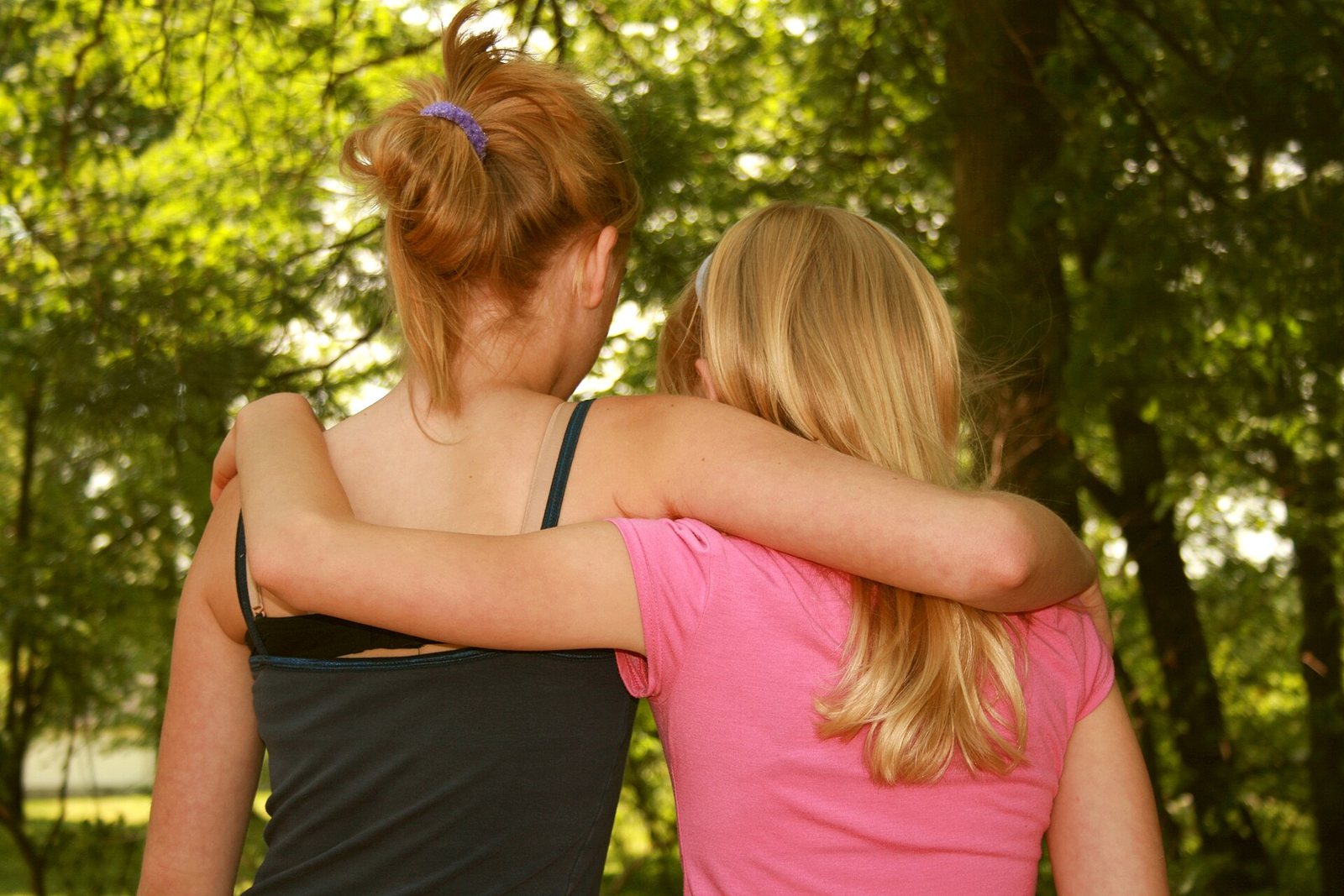
A greeting is the first thing two people do. For people who grew up with a handshake, or a nod, or just a hello, an unexpected kiss can feel like a step across a line. For people who grew up with kisses, a stiff handshake can feel cold. Neither side means anything by it.
What stands out to me is how quickly the surprise turns into something else. Many retirees say that after a few weeks, they start to like it. The greeting tells them they are known. Others say they never quite get used to it, and they offer a warm smile and a hand, and the neighbours seem fine with that.
A moment on the way home
"I did it wrong," said Judith. "I went the wrong way and we nearly met in the middle."
"I did worse," said Paul. "I stuck out my hand to a man who was already leaning in."
"Did he mind?"
"He laughed. Then he showed me."
That is the part I find kind. When people see a newcomer stumble, they often help.
How I read it
Touch is personal. Some of us have lost the habit of it, or never had it. A place where greeting means contact can bring a warmth to the week. For another person it may feel like an ask they did not agree to. It is useful to know which person you are before you decide how much of daily life you want to spend in that custom.
You can also start with what feels easy and let the rest come in time. A greeting is a habit, and habits can be learned slowly.
You could…
- Watch how neighbours greet each other before you try it yourself.
- Tell a friendly person you are still learning and ask for a hint.
- Think about which greeting feels most like you, and keep it.
- Practise at home with your partner and see what makes you laugh.
What was the first greeting that surprised you in a new place?

Tell us in the comments