Friends From Home, Neighbours From Here: Reading the Circle of Newcomers
A person who wants a deep new home may find that the easy circle takes the place of the harder one.
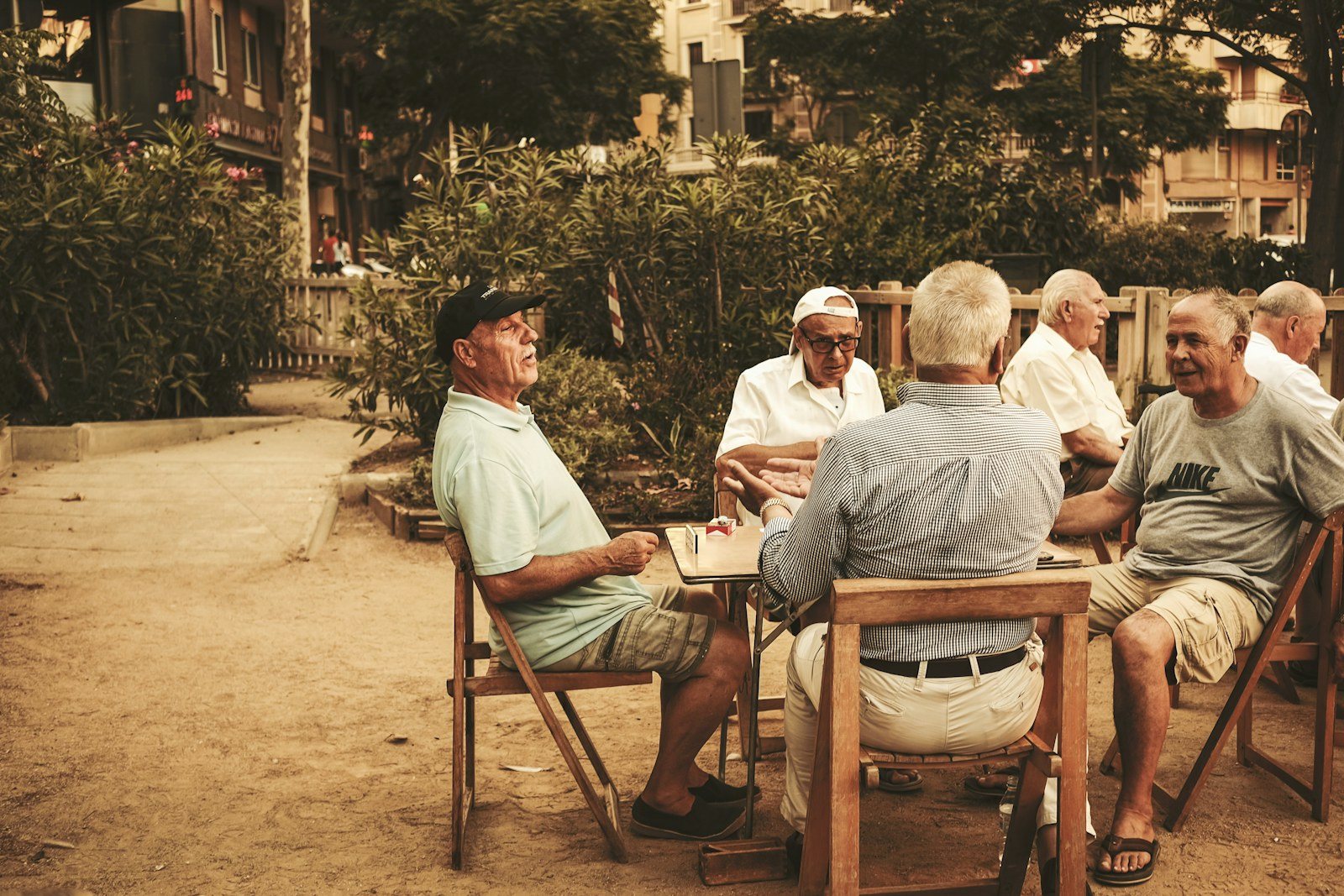
Picture a couple named Carol and Ben. Three months after they arrive, they are invited to a dinner. Everyone at the table is from their own part of the world, and everyone speaks the same English. The food is good, the talk is easy, and Carol feels more relaxed than she has felt since the flight.
Then, on the walk home, Ben says something that stays with her. "We moved to a new country and spent the evening in the old one."
Neither of them is sure whether that is a problem.
Two honest views
I want to give both views fair weight, because I think each is true for someone.
The first view is warm. In Portugal, a person wrote that their closest friends were other newcomers. They had the same questions, the same new rules to learn and the same missing of home. Sharing a hard year makes a bond. In Greece, someone settled in Crete with plenty of company and little Greek, and sounded content about it. In Montenegro, a writer joked about the fifteen kinds of people you meet in a group of newcomers. The humour was affectionate. It was a group people clearly use and enjoy.
The second view is restless. In Spain, a retired man from Britain moved inland because all his neighbours were from his own country, and felt he had traded home for a sunnier copy of it. Another writer in Spain argued that a person could not feel at home while living only among other foreigners. In France, one person felt torn about too many English dinners, and another weighed the bubble against the village. In Luxembourg, a writer said English makes the bubble easy, and so easy that it might hold people back.
How it differs by place
I do not think the bubble is the same everywhere.
- Where a second language is widely used, the bubble is easy to enter and easy to stay in. The writer in Luxembourg saw this clearly.
- In coastal and island places, many people from abroad live near each other, so the circle forms without effort.
- In Germany, a woman said networking events stay shallow. The wider circle did not satisfy her, and she was looking for something deeper.
- In Denmark, one person gave up trying to break in and felt at peace. I hesitate to call that a bubble. It looks more like acceptance of a smaller circle.
- In Montenegro, a defensive tone appears in some writing, as if people feel they must prove how local they are. I think that contest costs everyone something.
A short moment
Carol and Ben tried a middle road. They kept the Thursday dinners and added a Tuesday morning at a local market.
"My Spanish is awful," Carol said to the stallholder.
"Then we will practise," he said, and handed her a tomato.
What I make of it
I think the question is not whether to have friends from home. It is how much the circle shapes your days. A bubble can be a soft place to land. It can also become a room with no window.
I would not call anyone wrong for choosing either. A person who wants rest, shared jokes and no effort may be exactly right to stay close to their own. A person who wants a deep new home may find that the easy circle takes the place of the harder one.
You could…
- Keep a weekly dinner with people from home, and add one regular thing with neighbours.
- Learn the words for greeting and buying food before you worry about talk.
- Ask a newcomer friend which local person made them feel at home, and why.
- Check after six months how many of your friends speak your language, and how you feel about the number.
How do you balance old company and new?


Tell us in the comments