Technical article
Getting the Probate Value Right in the United Kingdom
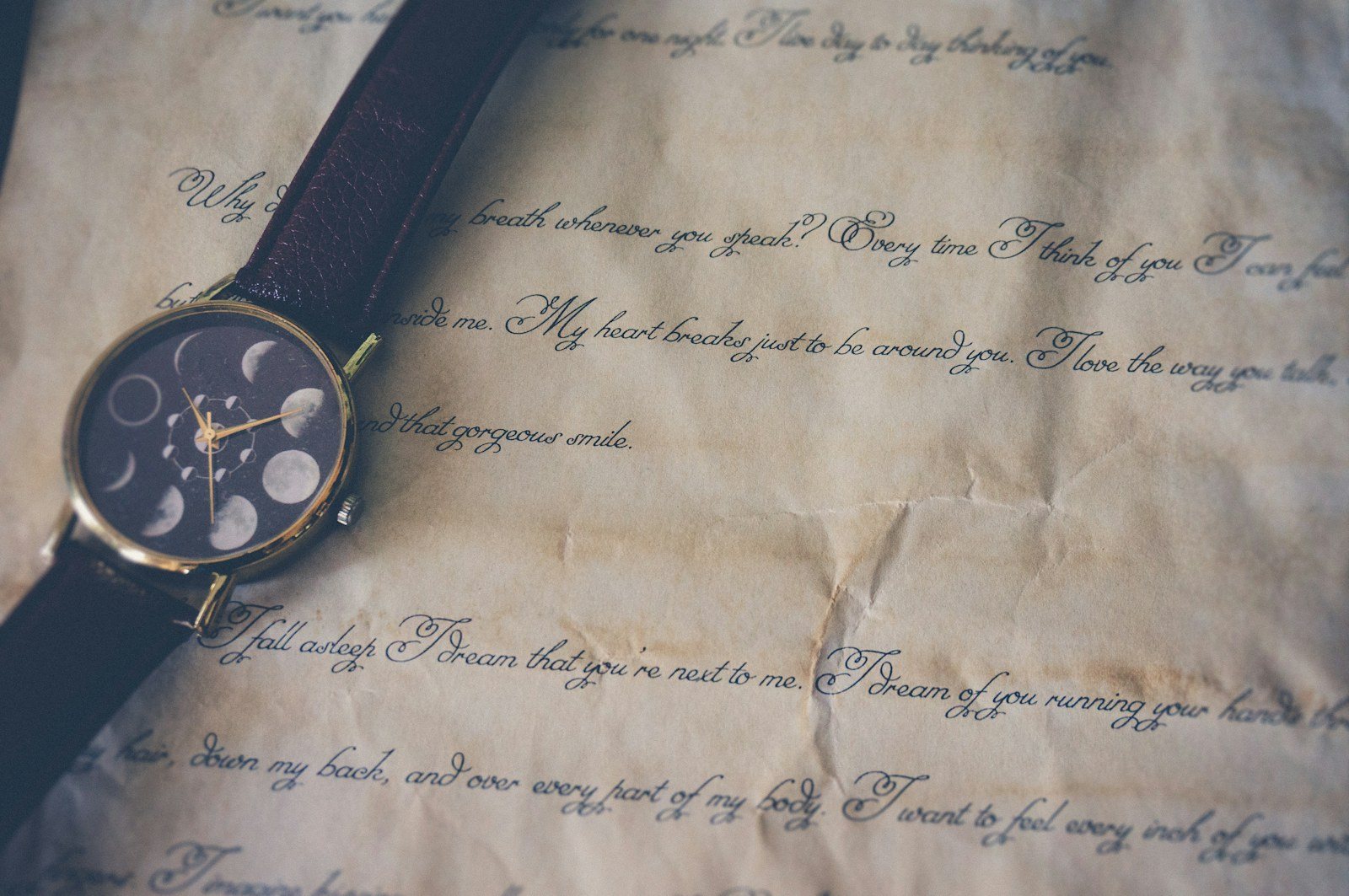
So a son who sells a watch for GBP 8,000 (approximately US$10,400) with GBP 1,200 in fees still reports GBP 8,000 as the value.
Picture a widow in Surrey who has died. She left a few antiques, a drawer of jewelry, a car and a case of old watches. Her son is the executor. The inheritance tax account has a box for each, and he is not sure whether to write the insurance figure, a guess, or a number from an auctioneer.
The test is the price the property might reasonably be expected to fetch on the open market. That comes from the Inheritance Tax Act and from the HM Revenue and Customs manual, updated in April 2026. The manual says insurance replacement values may not meet it.
What the form asks for
The HM Revenue and Customs form for the household goods and valuables section asks for these one by one:
| Item | How it goes on the form |
|---|---|
| Jewelry | Each piece worth GBP 1,500 or more, listed on its own |
| Vehicles, boats, aircraft | Each one, with open market value at death |
| Antiques, works of art, collections | Each one, with open market value at death |
| Items already sold | Sale date and gross proceeds |
| Other household goods | One total, with a copy of the insurance schedule if any item was listed |
If a professional valuation exists, the form asks for it to be enclosed. A professional valuation stating open market value is usually accepted. That is the tax office's own wording.
The sale after death
When an item sells at auction after the death, the manual says the sale price is generally the strongest evidence of value. It names the gross hammer price. No buyer's premium is added and no commission is taken off. Costs of valuing and selling are not deducted from the value either.
So a son who sells a watch for GBP 8,000 (approximately US$10,400) with GBP 1,200 in fees still reports GBP 8,000 as the value.
When the figure is not known yet
Sometimes a value cannot be found before the account is due. The manual allows an estimate, but only after the fullest enquiries reasonably practicable. The executor sends a statement of those enquiries, a provisional figure, and an undertaking to deliver a further account once the value is known. The manual sets no deadline beyond doing it as soon as the value is ascertained.
The manual also says an account is wrong if it leaves out property or does not give open market value or a provisional estimate. HM Revenue and Customs seeks a penalty where an estimate was reached carelessly.
Smaller estates
For excepted estates, the tax office does not insist on a professional valuation. It expects a realistic estimate. If the estate is close to the excepted-estate limit, the executors may wish to consider a professional valuation. Where the gross estate is under GBP 200,000, executors may use their own realistic estimate for any asset. These come from the same manual.
The objection
You might say an estimate is an estimate, and no one can know what a stranger would pay. The manual agrees that nobody can know it, which is why it asks for the fullest enquiries and a record of them. The effort is part of what it looks for. A paper trail of two or three quotes and a note of who looked at the items tells the tax office how the number was reached.
Doors you could open
You could ask an auctioneer for a written valuation at the date of death. You could keep the insurance schedule, because the form asks for a copy. You could hold items back from sale until the value is set, or sell some at auction and let the hammer price become the evidence.
This touches every heir. The figure on the form becomes the starting point for any later gain when an heir sells, and brothers and sisters may each read the number differently.
If you have filled in one of these accounts, which line took longest to settle? Share it here, and someone facing the same box may find it useful.
Figures are estimates for planning, based on public data. Date read: October 2026.
Sources
- HM Revenue and Customs Inheritance Tax Manual IHTM21041, IHTM10813, IHTM36101, IHTM06033 (A)
- HM Revenue and Customs form IHT407, 2018 (A)
- Inheritance Tax Act 1984 section 160 as cited in the manual (A)


Tell us in the comments