When the Town You Chose Becomes the Town Everyone Chose
People who arrive early often feel they discovered a place.
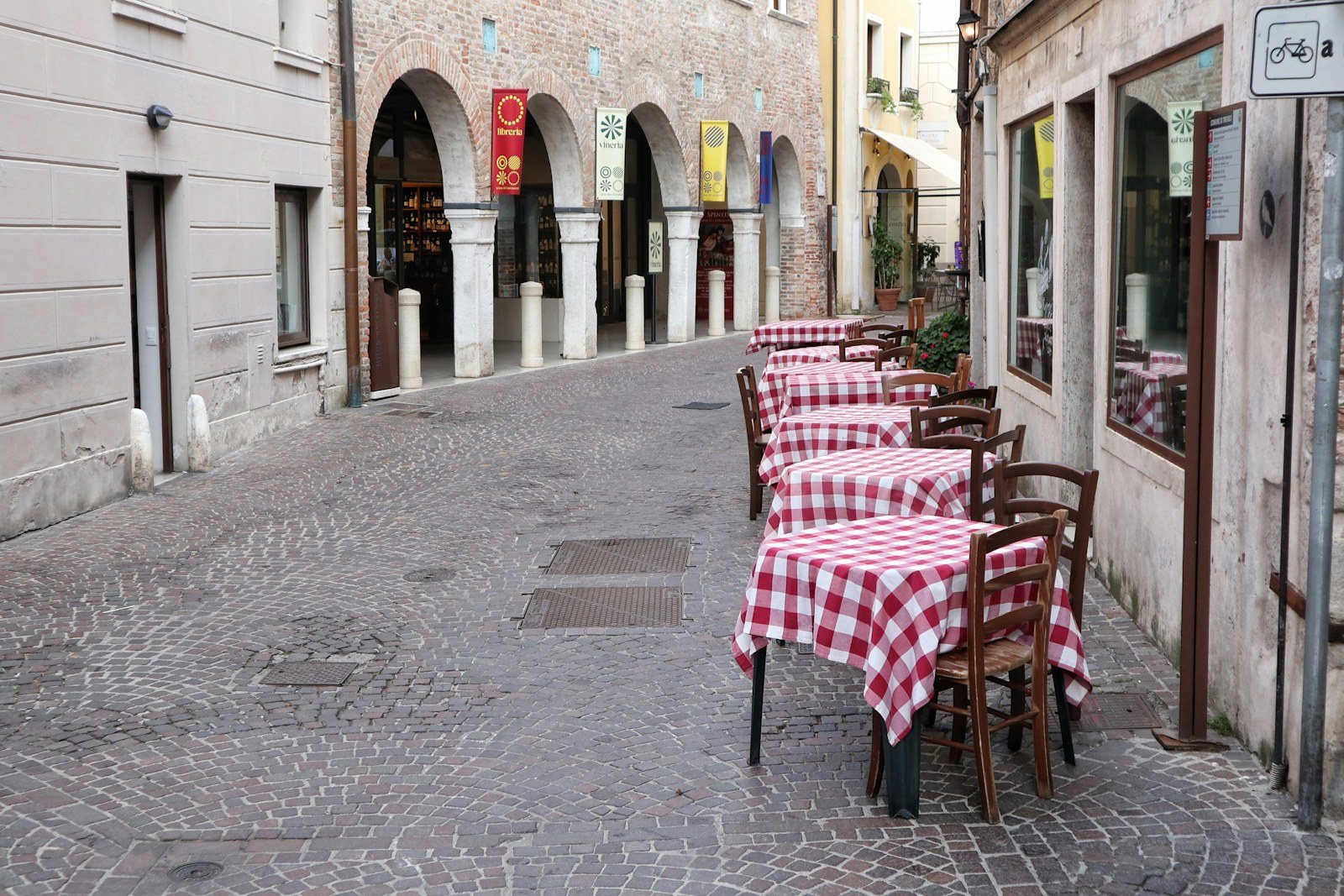
Picture a couple named Ruth and Daniel. They found a small town they loved, ate at the same corner table every week, and learned the baker's name. Years later, they walk the same street and hear more English than Portuguese. The baker is still there. The rent for his shop is something they do not like to ask about.
I read three accounts that touch this feeling from different angles. Each one is personal, and I want to be careful not to turn them into a verdict on any place. What they share is a question I think anyone planning a move could ask: what happens to the town after people like me arrive?
Three ways it showed up
Portugal, the invitation that went wrong. One writer had spent years telling the world how much she liked her town. Then some of the local people asked her to stop. She did not describe anger. She described a mix of hurt and understanding. She had meant it as love, and they heard it as a sign that their town was about to be taken from them. I think both feelings are fair.
Portugal, the return to a bigger town. Another person came back after time away and found the place larger than the one in her memory. More cafés, more people, more noise. The feeling she described was wistful. Nothing was wrong exactly. It was just not the place she had left.
Spain, the neighbourhood with a new name. A third writer described a part of a Spanish city that people had begun to call "international-land". He was ambivalent. The area was easy to live in, full of familiar faces and familiar food. It also felt a little less like Spain every year.
Reading the differences
| Portugal | Spain | |
|---|---|---|
| What changed | Size of the town, and how locals felt about being promoted | The mix of people in one neighbourhood |
| Main feeling | Conflicted and wistful | Ambivalent |
| Open question | Who is the town for now? | Is easy the same as home? |
None of these stories has a villain. The locals wanted a say in their own town. The newcomers wanted a nice life. The town simply holds both groups now.
A short conversation
"Remember when we knew everyone on this block?" Ruth might say.
"We still know the baker," Daniel could answer. "I think we are the ones who changed the block."
That is the idea I keep coming back to. People who arrive early often feel they discovered a place. Locals may feel it was never lost. Both can be right at the same time.
You could…
- Visit a town twice, a few years apart if you can, and compare what changed.
- Talk with people who have lived there a long time about what they miss and what they welcome.
- Think about how you speak of a place in public, and who might hear it.
- Choose a street or a neighbourhood for its everyday life, not for how many people from your own country live there.
Have you watched a town change around you, and how did it feel?
Tell us in the comments