Growing Older Where You Landed
Growing frail in a place where you are still the foreigner raises questions that did not matter at sixty-five.
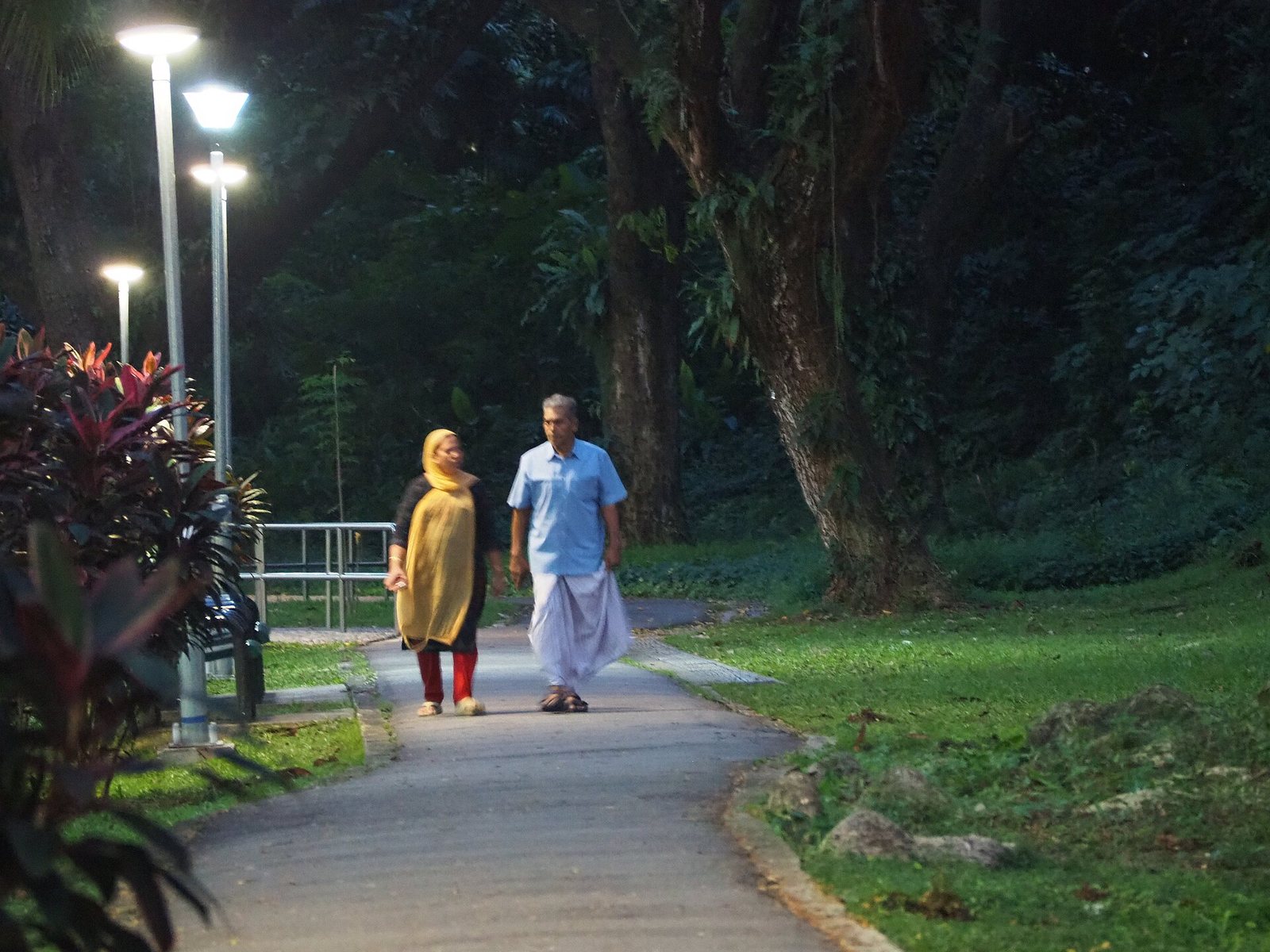
Picture a couple named Joan and Ian. They moved to a small town in southern Europe in their sixties. The terrace, the long lunches and the walks were all they had hoped for. Now Ian is turning eighty, and the steps up to the front door feel longer than they used to.
"Do you think about it?" Joan asks one evening.
"About what?"
"Being old here," she says. "Really old."
I think most of us avoid that question while we are strong. It is a fair thing to avoid. But the stories I have seen suggest that the answer is not the same in every household, and that it helps to look at it before it arrives.
Portugal: better off than at home
One story from Portugal came from a woman of eighty-one who felt better off than she had been in her home country. She was content. I take care not to say too much about why, since I do not know the details. What I can say is that her feeling was real, and it came late in life, which tells me that a move made years earlier can still be a good one when we are old.
Spain: the shrinking colony
A story from Spain looked at a community of retirees from one country that was getting smaller. The people who came in large numbers years ago were aging, and many were leaving. I read it with some sadness. When the group you built your social life around gets smaller, the town feels different, even if the town itself has not changed.
Another Spanish story was about an eighty-eight-year-old woman for whom the chores of a house had become too much. The feeling in it was relief, a kind of exhale after admitting something hard. I think that is the part worth noticing. The relief seemed to arrive with the honesty.
Cyprus: growing frail as a foreigner
The Cyprus story was anxious. Someone asked about a retirement village or care home that would work for both foreigners and locals. Growing frail in a place where you are still the foreigner raises questions that did not matter at sixty-five. Who speaks your language when a nurse arrives? Who will understand what you want? I could feel the worry in that one.
How they differ
| Portugal | Spain | Cyprus | |
|---|---|---|---|
| Feeling | Contented | Fading, then relieved | Anxious |
| What was at stake | Quality of daily life at eighty-one | A shrinking community, a house too big | Care for a foreigner |
| What it suggests | Later years can be good | Plan for the chores and the circle | Ask about care early |
What I make of it
The stories do not agree with each other, and I think that is the point. Later life abroad can be easier or harder than we expected. It depends on the house, the town, the people nearby, and how we feel about asking for help.
I notice that the two calmer stories belong to people who had already faced something. The woman who felt relief had admitted that the chores were too much. The woman who felt better off than at home seemed to have found a rhythm that worked. The anxious story belongs to someone who was still asking the question.
That suggests to me that thinking about it early gives us more room. A house with no steps, a town where you can walk to a shop, a friend who lives close by: these are small things. They matter more at eighty-eight than a view.
Joan and Ian make a plan. Nothing dramatic. They write down who they would call, what a smaller place might look like, and whether they would prefer to stay or move closer to someone.
"That was easier than I thought," Ian says.
"We only wrote it down," says Joan. "We did not decide anything."
You could…
- Walk through your home in your mind and note every step, bath and door that might become hard.
- Ask local friends who are older than you what they would change if they could.
- Find out who in your town speaks your language, in case you need care.
- Write down the point at which a smaller home would feel like a relief, not a defeat.
What would make you feel at ease in your home at eighty-five?

Tell us in the comments