What a Gifted House Costs the Child in Tax Later
Does it cost her the same either way?
Picture a couple named Gus, 75, and Mildred, 73. They own a house they bought long ago. They are thinking of putting it in their daughter's name now, so it is settled.
"It will be hers either way," Gus said.
Mildred asked a question. "Does it cost her the same either way?"
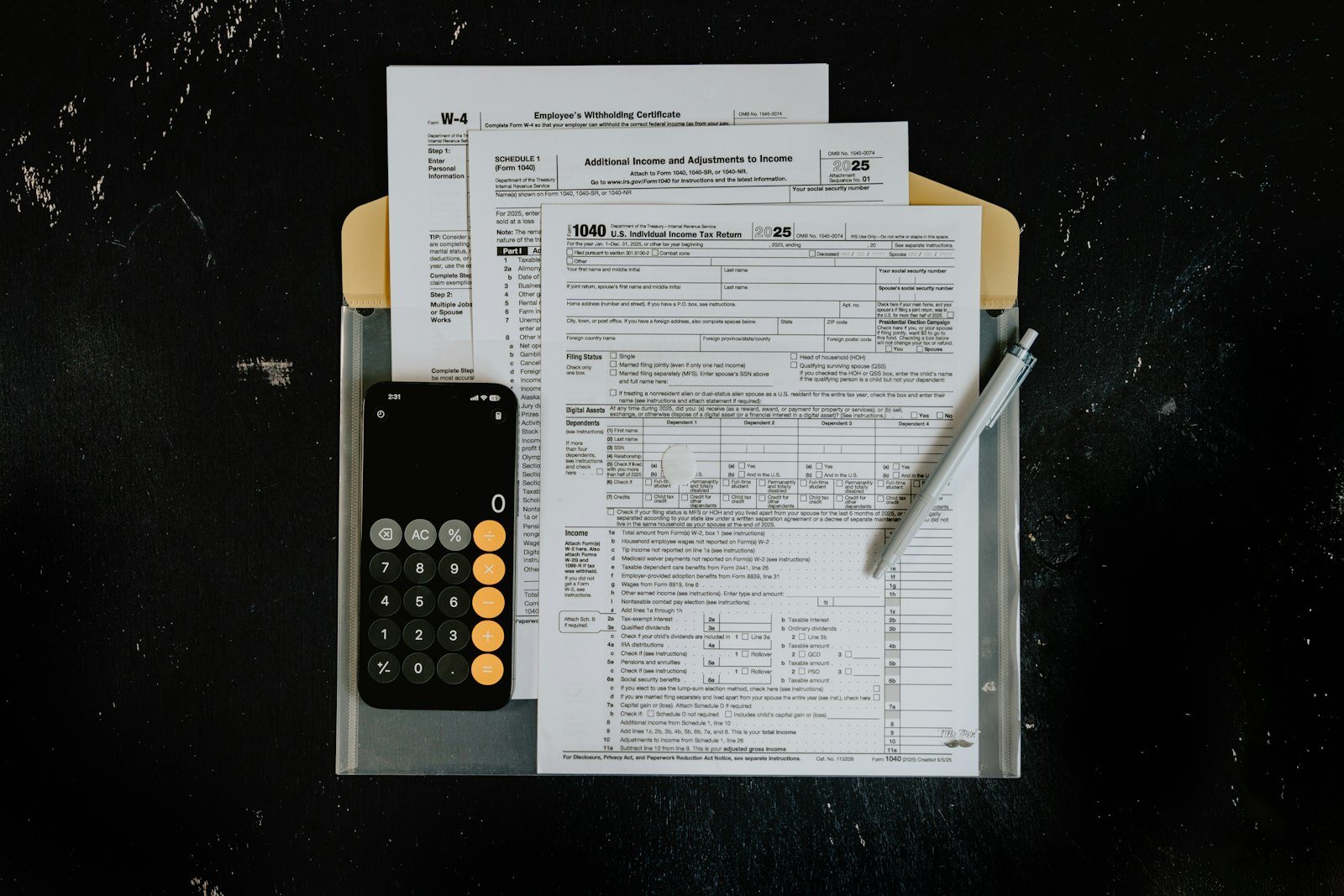
They looked up the Internal Revenue Service rule on basis. Basis is the starting value used to work out a gain when a property is sold. A gain is the sale price minus the basis.
The rule, in Publication 551, has two routes. When a house is given, the child generally takes the giver's basis. This is called carryover basis. When a house is inherited, the basis is generally its fair market value on the date of death. This is called stepped-up basis. There is an exception for appreciated property given to a person who then dies within one year.
Here is a worked example. The numbers are made up to show the arithmetic.
| Example numbers | Gift now (carryover basis) | Inherited (stepped-up basis) |
|---|---|---|
| Parents bought the house for | US$100,000 | US$100,000 |
| Value when the child receives it | US$500,000 | US$500,000 (at death) |
| Child's basis | US$100,000 | US$500,000 |
| Child sells for | US$500,000 | US$500,000 |
| Gain (sale price minus basis) | US$400,000 | US$0 |
If the house were worth US$520,000 when the child sold it, the gain would be US$420,000 under the first route and US$20,000 under the second.
We show gain amounts and no tax. The tax depends on the person. Rates, other income and where the child lives all matter. A tax professional could work out a figure for a real situation.
Basis is also adjusted for things like improvements, so the purchase price is a simplification.
Mildred looked at the table. "That is a big difference in the gain."
"It is," Gus said. "If we keep the house, it is ours until the end. If we give it, we also need to ask what happens if one of us needs care." They wrote both questions on the same page.
You could…
-
Find the original purchase price and the receipts for improvements, and keep them with your papers.
-
Ask an accountant who works with Americans abroad to run your own numbers under both routes.
-
Ask your child what they would want, before you decide.
What did the numbers look like when you ran them for your own house? Share it here. Someone reading may be about to sign a deed.
Figures are estimates for planning, based on public data. The numbers in the table are examples only. Sources: Internal Revenue Service, Publication 551, Basis of Assets (revised December 2025).

Tell us in the comments