Technical article
Shirtsleeves to Shirtsleeves: What the Studies Measured
In the trade-press version, 70% of 2,500 families lost control of their assets and their family harmony by the third generation.
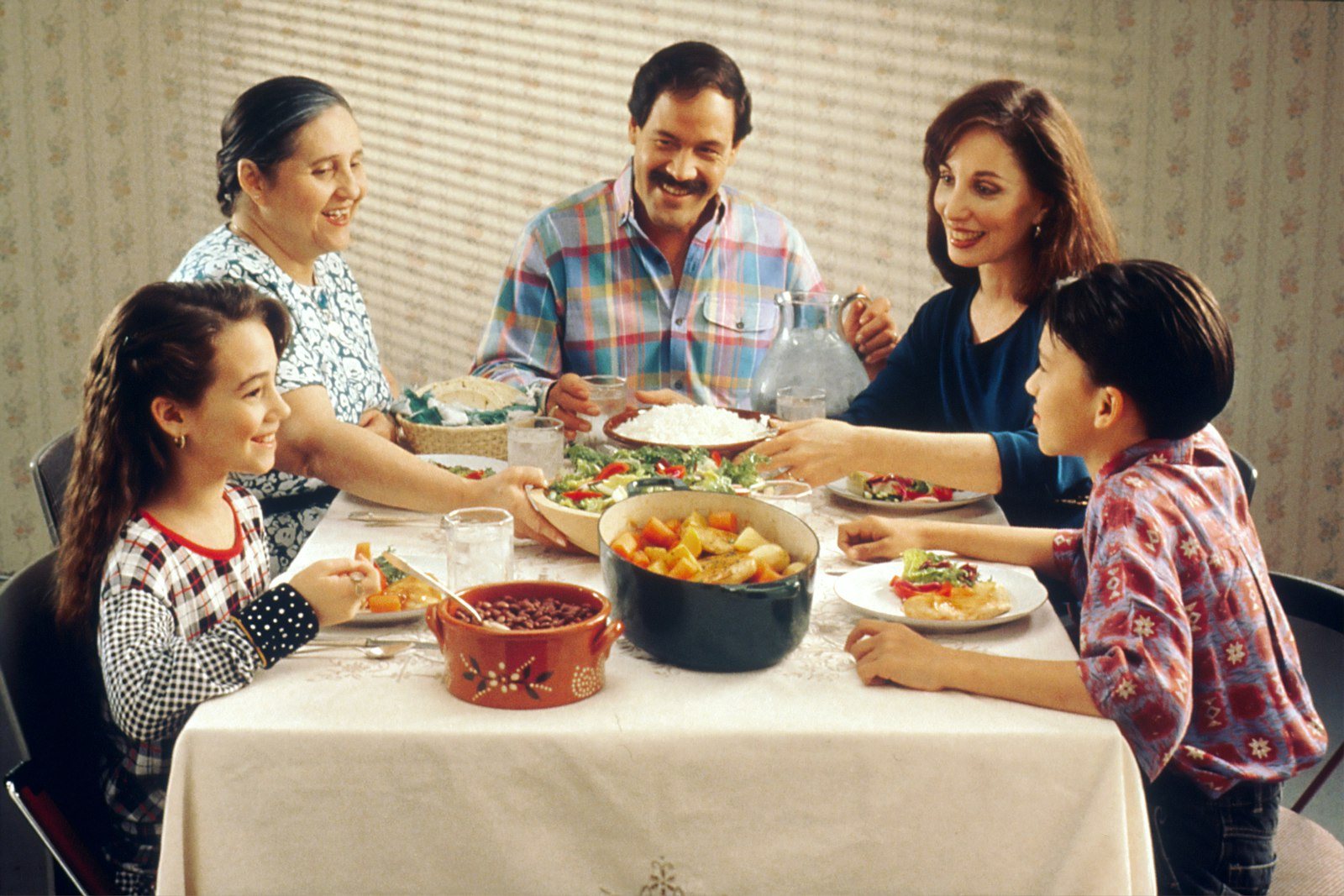
Imagine a retired couple at a dinner table with two grown children. Someone says, "Seventy percent of families lose it by the third generation." Everyone goes quiet. The couple wonders whether a trust would change that number.
The number is worth a closer look, because it counts something different from what most people hear.
What was measured
The figure comes from Williams and Preisser, as reported in trade press. They followed families over 20 years and published in 2005, in a book called Preparing Heirs. In the trade-press version, 70% of 2,500 families lost control of their assets and their family harmony by the third generation. Of those failures, 60% came from low trust and poor communication. The families were ones who had sold a business or inherited.
The study counts families. It does not count trusts. A trust is a tool, and the figure says nothing about whether a trust was present or how it was run.
Where the sources differ
A broker's blog gives a larger sample, 3,250 families over two decades. It says 70% fail by the next generation and 90% by the third. It adds that about 25% of failures came from heirs' lack of preparation and under 15% from investment, tax and legal errors. The trade-press source says 2,500 families. Both agree on the 70% and the 60%.
| Study | Who was counted | What it found | What it does not say |
|---|---|---|---|
| Williams and Preisser, 2005 | 2,500 families (or 3,250 in one blog) | 70% lost control of assets and harmony. 60% of failures came from low trust and poor communication | Anything about trusts |
| Jaffe and Flanagan | Nearly 200 families that lasted | Shared giving and community service was a leading practice | How often families fail |
| A survey by a large bank, as reported by a blog | 1,500 high-net-worth Americans | Two-thirds of those planning to leave money had delayed family talks. 39% had given heirs instructions. 26% felt heirs were prepared | Whether the talks changed outcomes |
The families that lasted
Jaffe and Flanagan looked the other way. They studied nearly 200 families that held together across generations. Shared giving and community service was a leading practice among them. That work looks at what lasting families do. It does not give a failure rate.
What this means for a trust
The study points at a human gap. The failures it counts come mostly from low trust and poor communication, not from the investments. A trust can set rules and name people. It cannot start the conversation. That part belongs to the family.
The survey numbers point the same way. Two-thirds of those planning to leave money had put off the family talk, and, in the blog's account of the survey, 99% of heirs said they would respect their parents' wishes.
Who this touches
Your children, first. Then your partner, who may hold part of the picture the children have not heard. If you have a business to sell or leave, the study's families are the closest match to yours.
The objection
You might say the number still sounds right. Families do struggle after a sale or an inheritance, and many of us have seen it. That experience is real. The point is narrower. The 70% describes lost control and lost harmony in a group of families, and the study's own reasons lean toward conversation and preparation more than trust design.
A few doors
You could ask what your family has already said out loud about money, and what it has not. You could ask your children what they would want to know.
What did your family do that helped the next generation feel ready? Share it here, and someone may benefit from your story.
Figures are estimates for planning, based on public data. Date read: October 2026.
Sources
- WealthManagement.com, Williams and Preisser and Jaffe and Flanagan, as reported (B)
- BrokerChooser.com blog on silent families, including figures attributed to an RBC survey (U)


Tell us in the comments